Singapore's First Dedicated Animal Rehabilitation Clinic
Animal Rehabilitation in Singapore
Comprehensive, vet-supervised rehabilitation for dogs and cats. Hydrotherapy, physiotherapy, acupuncture, laser therapy, and hyperbaric oxygen — combined into personalised recovery programmes that deliver measurable results.
As featured in


What Is Animal Rehabilitation?
Also known as veterinary rehabilitation, pet physical therapy, or animal physiotherapy
Animal rehabilitation is the use of evidence-based physical therapies to restore movement, reduce pain, and improve function in dogs, cats, and other companion animals. It is the veterinary equivalent of human physical therapy and physiotherapy — applying the same scientific principles, adapted for four-legged patients.
At RehabVet, animal rehabilitation encompasses a comprehensive range of modalities: hydrotherapy (underwater treadmill), physiotherapy (manual therapy and therapeutic exercises), acupuncture, Class 4 laser therapy, electrotherapy (TENS & NMES), therapeutic ultrasound, shockwave therapy, and hyperbaric oxygen therapy.
Unlike human medicine, where rehabilitation after surgery or injury is standard practice, veterinary rehabilitation is still a relatively young field in Singapore. RehabVet was established as Singapore's first dedicated animal rehabilitation clinic — and remains the most comprehensive facility of its kind, with purpose-built equipment, qualified rehabilitation therapists, and full veterinary oversight for every session.
The effectiveness of veterinary rehabilitation is well-supported by clinical research. Studies published in the Veterinary Surgery journal and the Journal of Small Animal Practice demonstrate that pets receiving structured rehabilitation programmes after orthopaedic surgery recover faster, develop better muscle mass, achieve greater joint range of motion, and return to normal activity sooner compared to rest alone.
Who needs animal rehabilitation?
Our Rehabilitation Services
A comprehensive toolkit — not just one treatment
Effective animal rehabilitation requires a multimodal approach. At RehabVet, we combine multiple evidence-based therapies into a personalised programme tailored to your pet's condition.
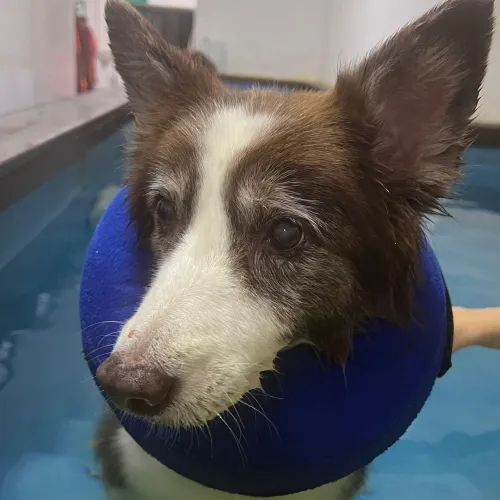
Hydrotherapy
Underwater treadmill and warm water therapy for low-impact exercise, muscle building, and pain-free movement. Ideal for post-surgical recovery, arthritis, and weight management.
Learn more about hydrotherapy →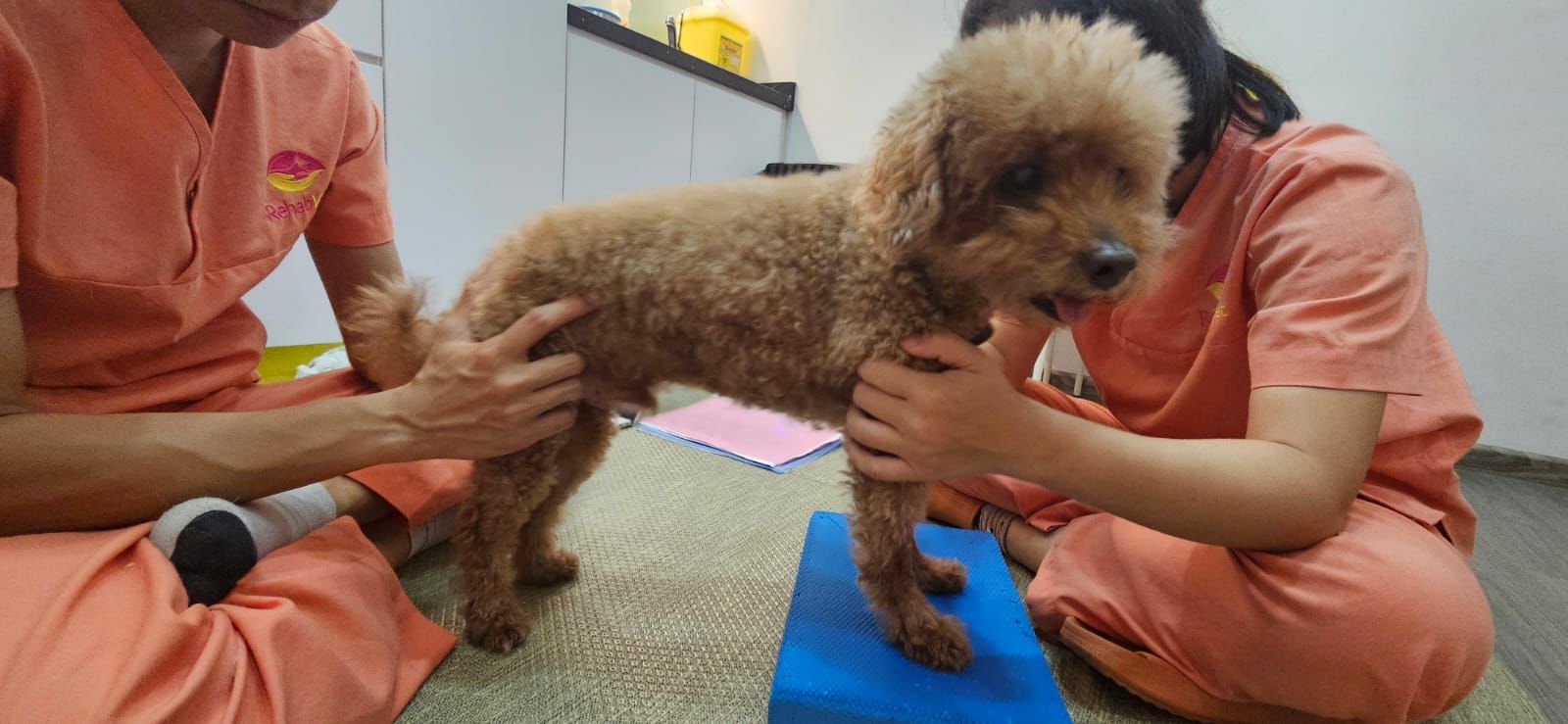
Physiotherapy
Manual therapy, therapeutic exercises, balance training, and gait retraining. Builds strength, restores range of motion, and retrains movement patterns after injury or surgery.
Learn more about physiotherapy →
Acupuncture & TCVM
Veterinary acupuncture and Traditional Chinese Veterinary Medicine (TCVM) for pain management, inflammation reduction, and support of natural healing processes.
Learn more about acupuncture →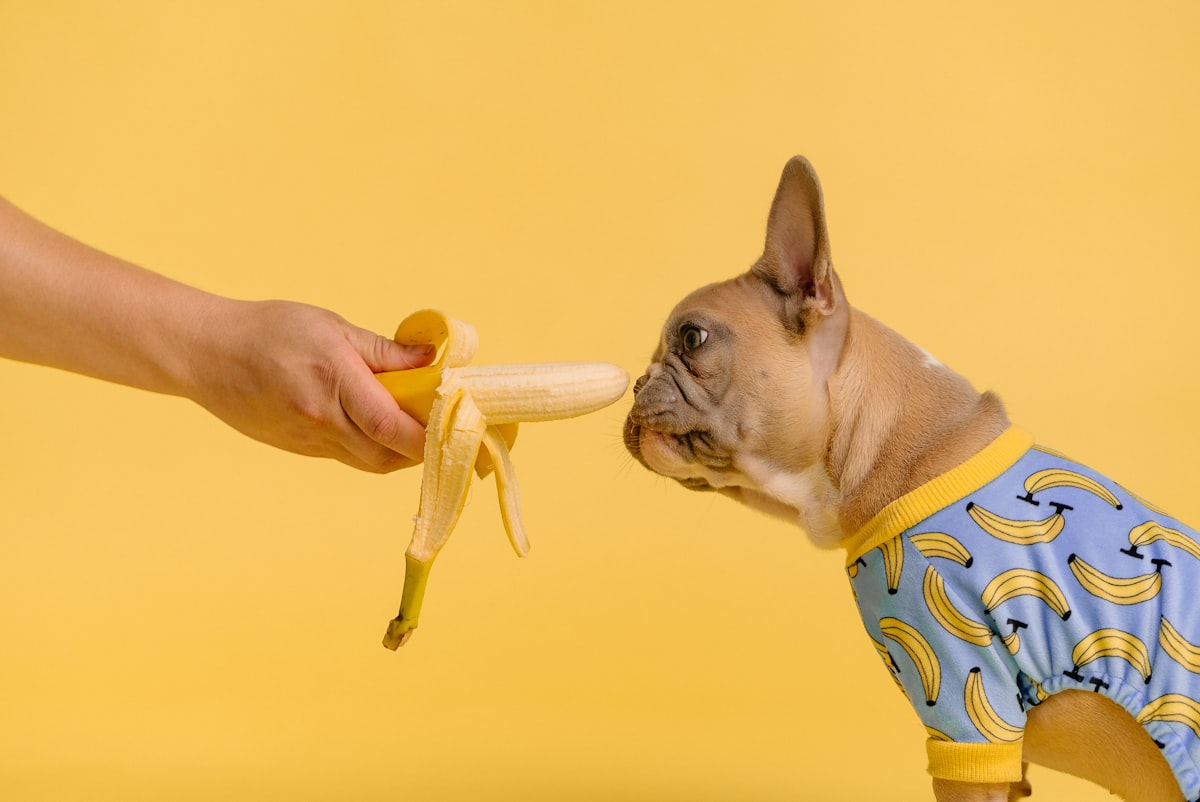
Class 4 Laser Therapy
Deep tissue photobiomodulation using Class 4 therapeutic laser. Reduces pain, accelerates tissue repair, and decreases inflammation at the cellular level.
Learn more about laser therapy →
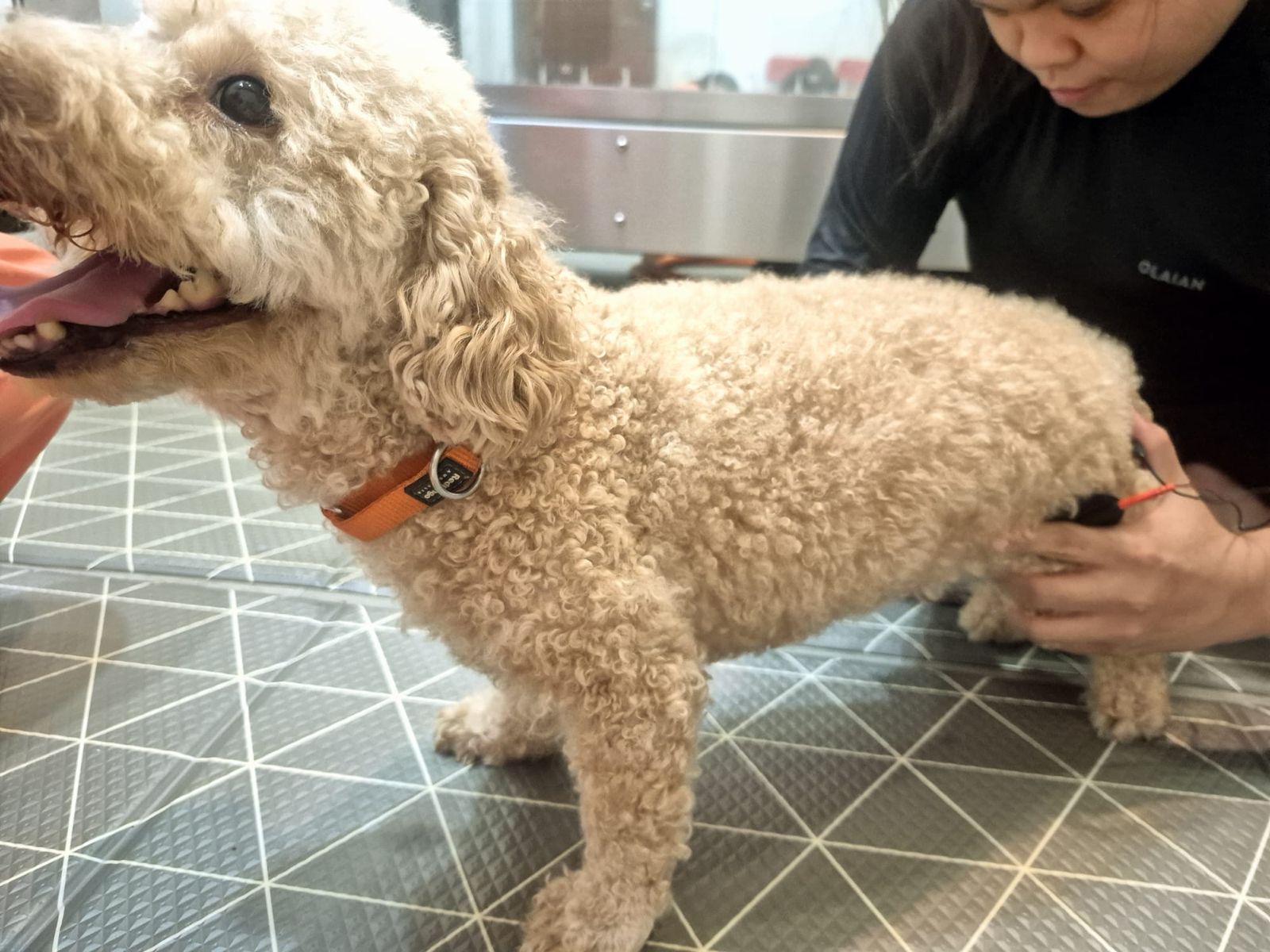
Electrotherapy (TENS & NMES)
Electrical nerve stimulation for pain management (TENS) and neuromuscular electrical stimulation (NMES) for muscle activation in weakened or atrophied muscles.
Learn more about electrotherapy →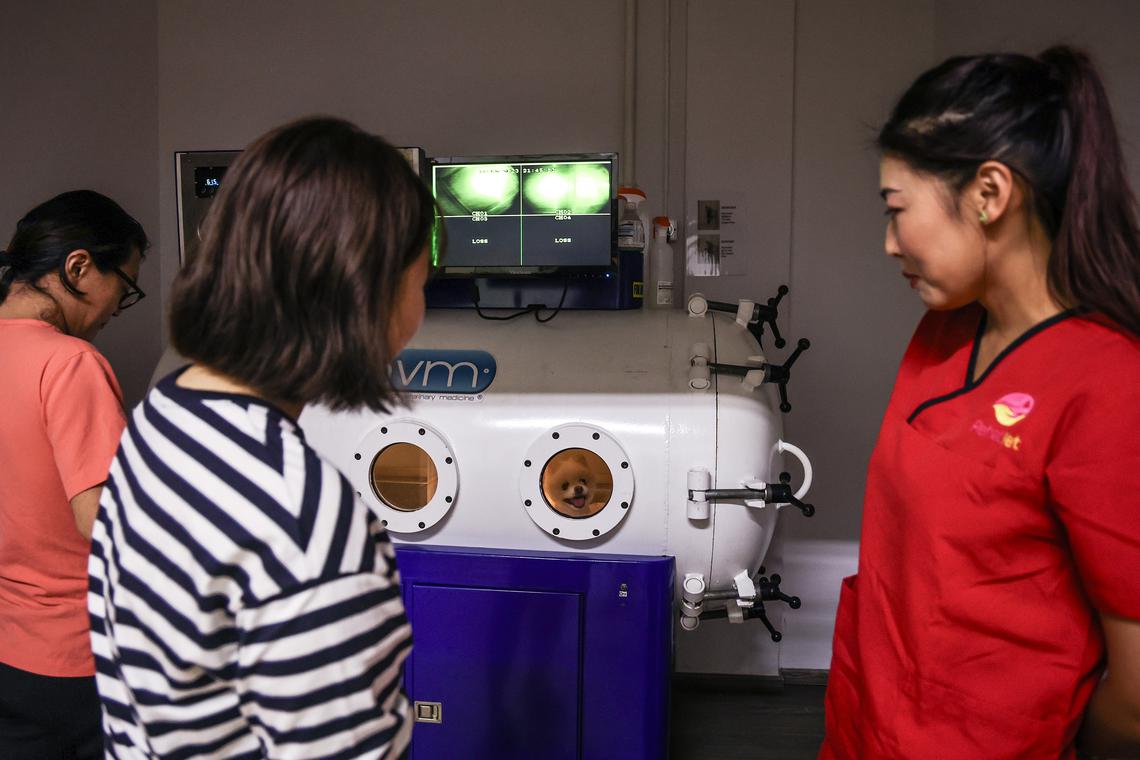
Hyperbaric Oxygen Therapy
HBOT delivers 100% oxygen at increased atmospheric pressure, accelerating wound healing, reducing inflammation, and supporting recovery from neurological conditions.
Learn more about HBOT →Additional modalities available: therapeutic ultrasound, shockwave therapy (ESWT), TCVM Tui-Na, thermotherapy & cryotherapy, and proprioception exercises.
Why Choose RehabVet for Animal Rehabilitation?
Singapore's most comprehensive veterinary rehabilitation facility
10 Benefits of Animal Rehabilitation
Evidence-based outcomes for surgery recovery, chronic pain, arthritis, and neurological conditions
1. Faster recovery after surgery
Veterinary research consistently shows that structured post-operative rehabilitation can reduce recovery times by 30–50%. A study in Veterinary Surgery found that dogs undergoing rehabilitation after cruciate ligament repair returned to full weight-bearing significantly earlier than those without. Early mobilisation, guided exercises, and hydrotherapy prevent muscle atrophy and promote tissue healing.
2. Effective pain management without medication
Rehabilitation provides natural, drug-free pain relief through modalities such as acupuncture, therapeutic laser, TENS, and manual therapy. This can significantly reduce your pet's dependence on pain medications — minimising the risk of side effects from long-term NSAID use, a particular concern for older pets with kidney or liver sensitivities.
3. Improved mobility and joint function
Through targeted stretching, strengthening exercises, and hydrotherapy, rehabilitation restores joint range of motion and builds supporting muscle mass. This is especially important for pets with osteoarthritis, hip dysplasia, elbow dysplasia, or intervertebral disc disease (IVDD).
4. Weight management through guided exercise
Obesity is a leading contributor to joint disease in pets. Our rehabilitation programmes incorporate controlled exercise regimens — including underwater treadmill sessions — that help overweight pets shed excess kilograms safely, reducing stress on joints and improving cardiovascular health.
5. Enhanced neurological recovery
Pets recovering from spinal injuries, strokes, or neurological conditions benefit enormously from targeted neuromuscular rehabilitation. Exercises designed to retrain proprioception (body awareness) and stimulate nerve pathways can restore function that might otherwise be permanently lost.
6. Improved quality of life for senior pets
Ageing pets naturally lose muscle mass, joint flexibility, and balance. Regular rehabilitation sessions help maintain mobility, preserve independence, and manage chronic pain — allowing senior dogs and cats to remain active and comfortable in their golden years.
7. Emotional and behavioural benefits
Pets in chronic pain often become withdrawn, anxious, or irritable. By effectively managing pain and restoring mobility, rehabilitation frequently leads to noticeable improvements in mood, energy levels, and overall behaviour — benefiting the entire family.
8. Prevention of compensatory injuries
When an animal favours one limb, the opposite limb and spine bear extra load — leading to secondary injuries over time. Rehabilitation addresses the original condition while correcting compensatory movement patterns before they cause additional damage.
9. Measurable, trackable progress
Every rehabilitation programme at RehabVet includes regular reassessments — muscle circumference measurements, gait analysis, joint range of motion testing, and functional mobility scoring — so you can see your pet's improvement in concrete, verifiable terms.
10. Potential to avoid or delay surgery
In some cases, structured rehabilitation can successfully manage conditions conservatively — including mild cruciate ligament injuries, early-stage arthritis, and certain soft tissue injuries — potentially avoiding or delaying the need for surgical intervention.
Conditions We Treat with Animal Rehabilitation
From post-surgical recovery to age-related mobility decline — our rehabilitation programmes address the full spectrum of musculoskeletal, neurological, and chronic conditions in dogs and cats.
Post-surgical recovery
Pets recovering from orthopaedic surgery (TPLO, TTA, fracture repair, FHO) or spinal surgery benefit from early, structured rehabilitation. We begin gentle treatment within days of surgery and progress systematically as healing allows — reducing recovery time by 30–50% compared to rest alone.
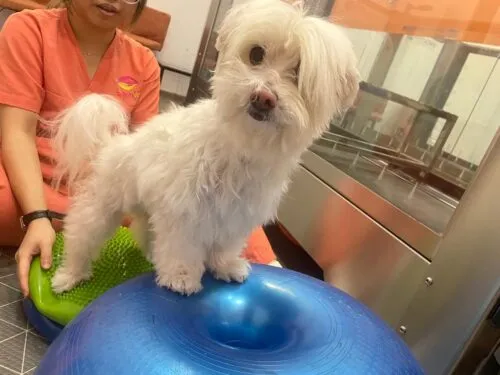
Osteoarthritis and degenerative joint disease
Arthritis is the single most common reason pets are referred for rehabilitation. Our multimodal approach — combining hydrotherapy, physiotherapy, laser therapy, and acupuncture — reduces pain, builds protective muscle mass, and slows disease progression.
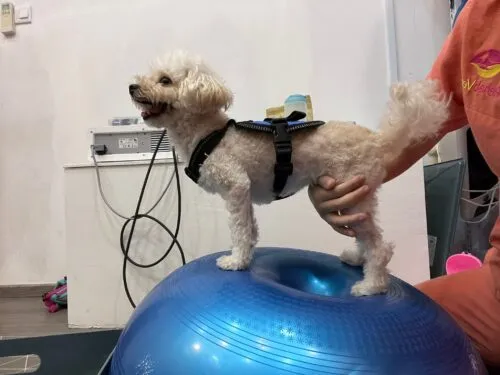
Intervertebral disc disease (IVDD)
IVDD patients — particularly Dachshunds, French Bulldogs, Corgis, and Shih Tzus — often present with hind limb weakness, ataxia, or paralysis. Our rehabilitation programmes combine neuromuscular re-education, hydrotherapy, laser therapy, and proprioceptive exercises to promote nerve recovery.
Hip and elbow dysplasia
Dysplastic joints cause lifelong pain and progressive degeneration. Rehabilitation strengthens the muscles surrounding affected joints, improves stability, and reduces pain — often delaying or avoiding surgical intervention.
Neurological conditions
Degenerative myelopathy, fibrocartilaginous embolism (FCE), vestibular disease, and other neurological conditions respond well to targeted rehabilitation. Balance exercises, assisted standing, hydrotherapy, and controlled movement help retrain neural pathways and maximise remaining function.
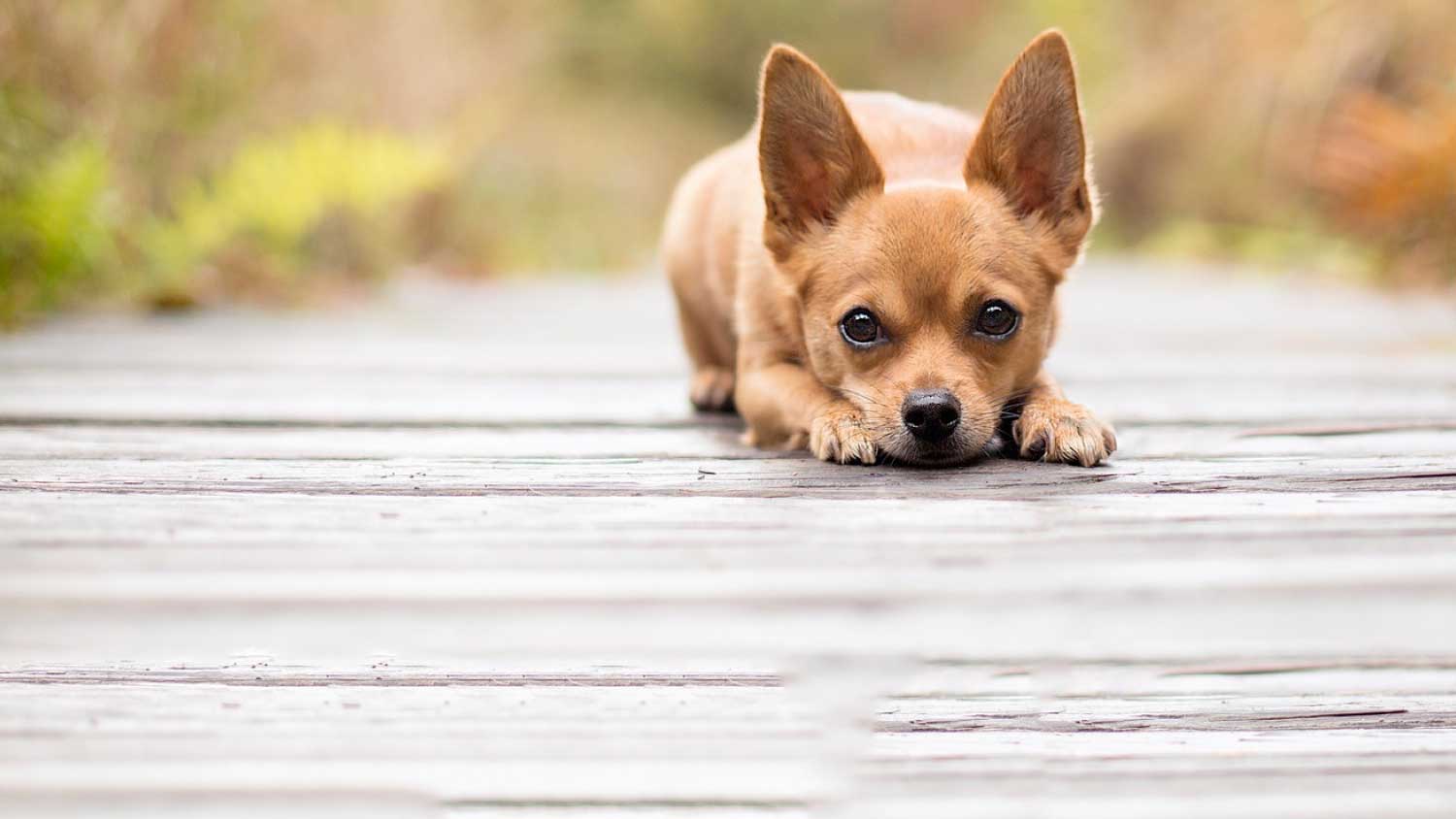
Cruciate ligament injuries
Both pre- and post-surgical cruciate cases benefit significantly. Pre-surgical rehabilitation builds muscle mass and maintains fitness. Post-surgical rehabilitation restores range of motion, rebuilds quadriceps strength, and retrains normal gait patterns.
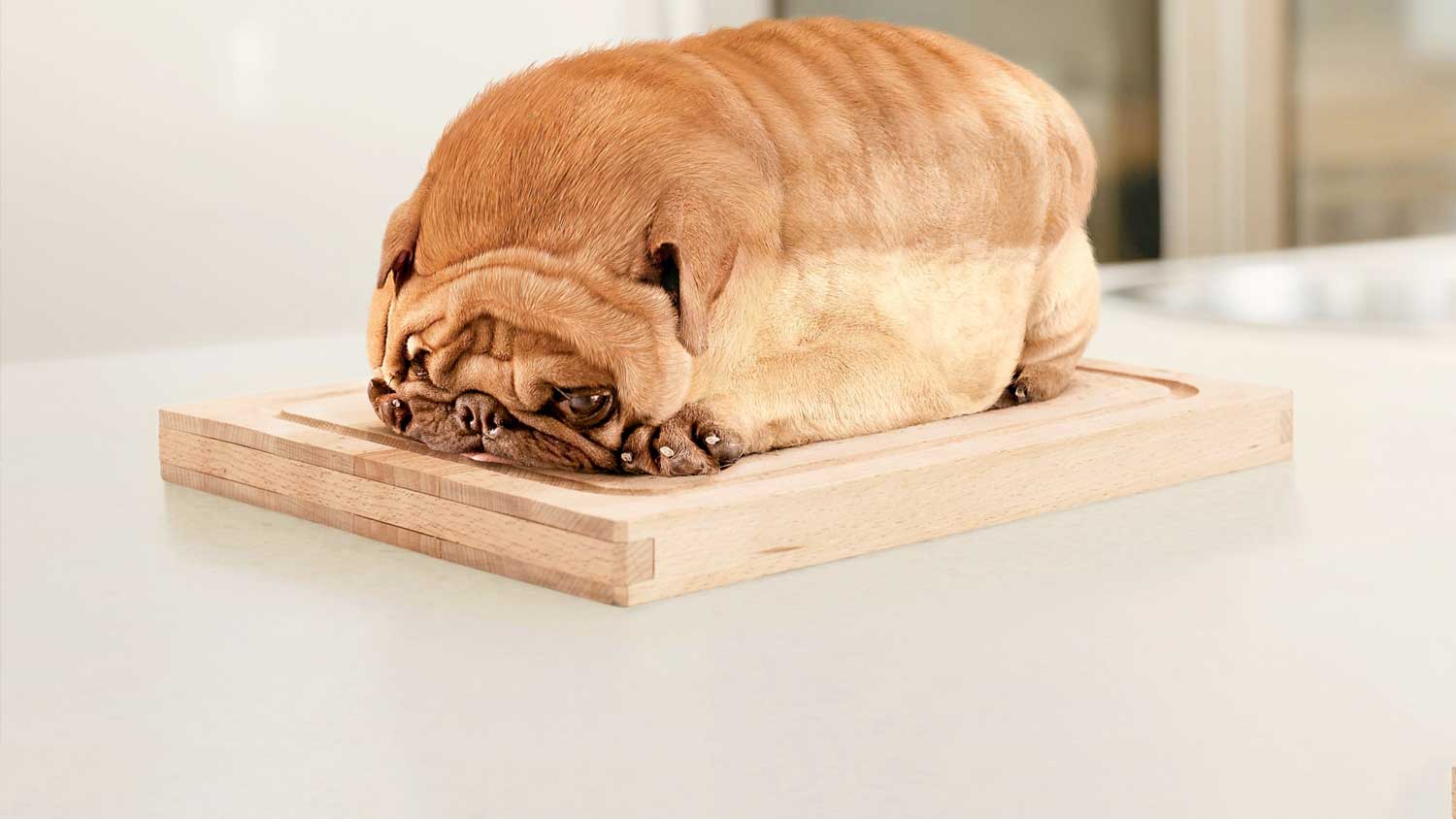
Obesity and weight management
Overweight pets face significantly higher risks of joint disease, diabetes, and reduced life expectancy. Our underwater treadmill provides high-calorie-burn, low-impact exercise — safe even for pets who cannot tolerate conventional exercise due to pain or mobility limitations.
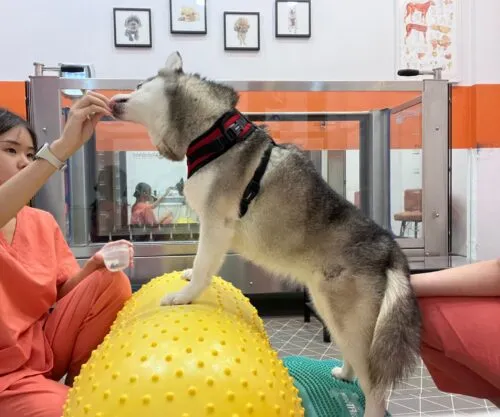
Geriatric mobility decline
Older dogs and cats naturally lose muscle mass, joint flexibility, and balance. Regular rehabilitation sessions maintain mobility, prevent falls, manage age-related pain, and preserve quality of life — helping senior pets stay active and independent.
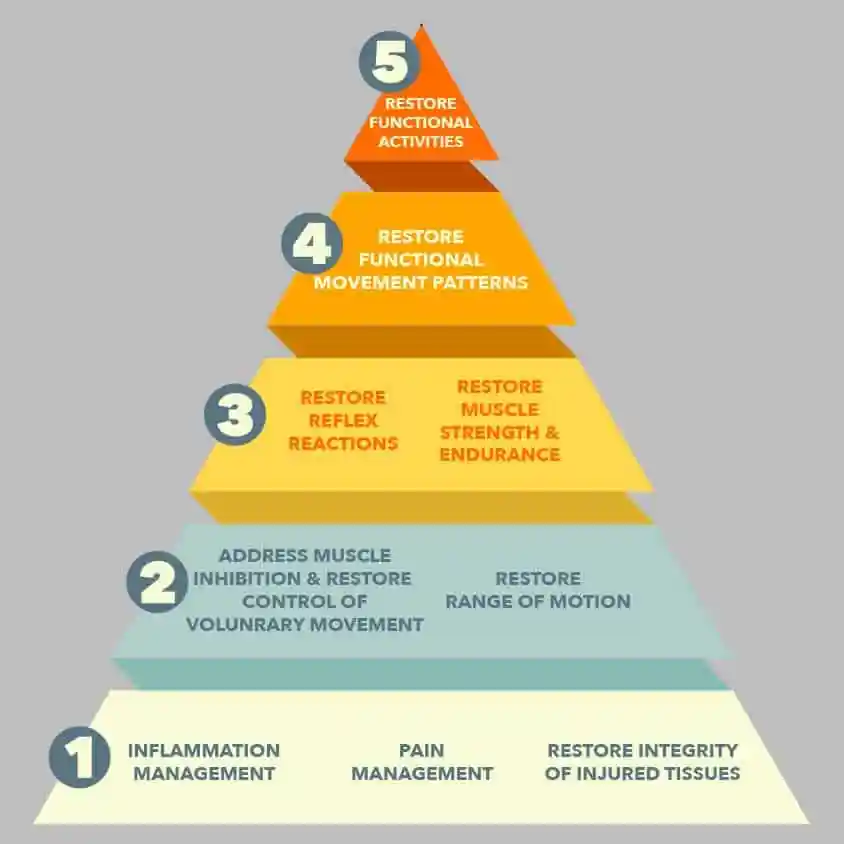
How Animal Rehabilitation Works at RehabVet
A structured, 5-step process from assessment to recovery
What to Expect at Your Pet's First Rehabilitation Session
First time at an animal rehabilitation clinic? Here's what happens
Bring your pet's medical history, any imaging reports (X-rays, MRI, CT), surgical reports, and a list of current medications. If your pet has had recent surgery, bring the surgical discharge notes. No special preparation is needed — just arrive with your pet comfortable and rested.
Your first visit is longer because it includes a full assessment. Our veterinary team will observe your pet's gait and posture, perform a physical examination, measure joint range of motion and muscle mass, and discuss your goals. Treatment begins at this first visit if appropriate. You are welcome to stay, observe, and ask questions throughout.
Some pets are tired after their first sessions — this is normal and indicates the muscles have been working. Your therapist will explain the recommended treatment plan, frequency, and expected timeline. Home exercises will be demonstrated for you to practise between visits. Most pets show visible improvement within 3–4 sessions.
Animal Rehabilitation Pricing in Singapore
Transparent pricing — no hidden fees
Rehabilitation pricing at RehabVet depends on the modalities required and your pet's treatment plan. All costs are discussed transparently at your initial consultation.
Many pet insurance policies in Singapore now cover rehabilitation therapies. We recommend checking with your insurer before your first appointment. We provide itemised invoices for insurance claims.
Pricing varies based on session duration and additional modalities (laser therapy, shockwave, acupuncture, HBOT). Your veterinary team will discuss all costs before beginning treatment.
WhatsApp us for a personalised quote — +65 8798 7554Meet Your Rehabilitation Team
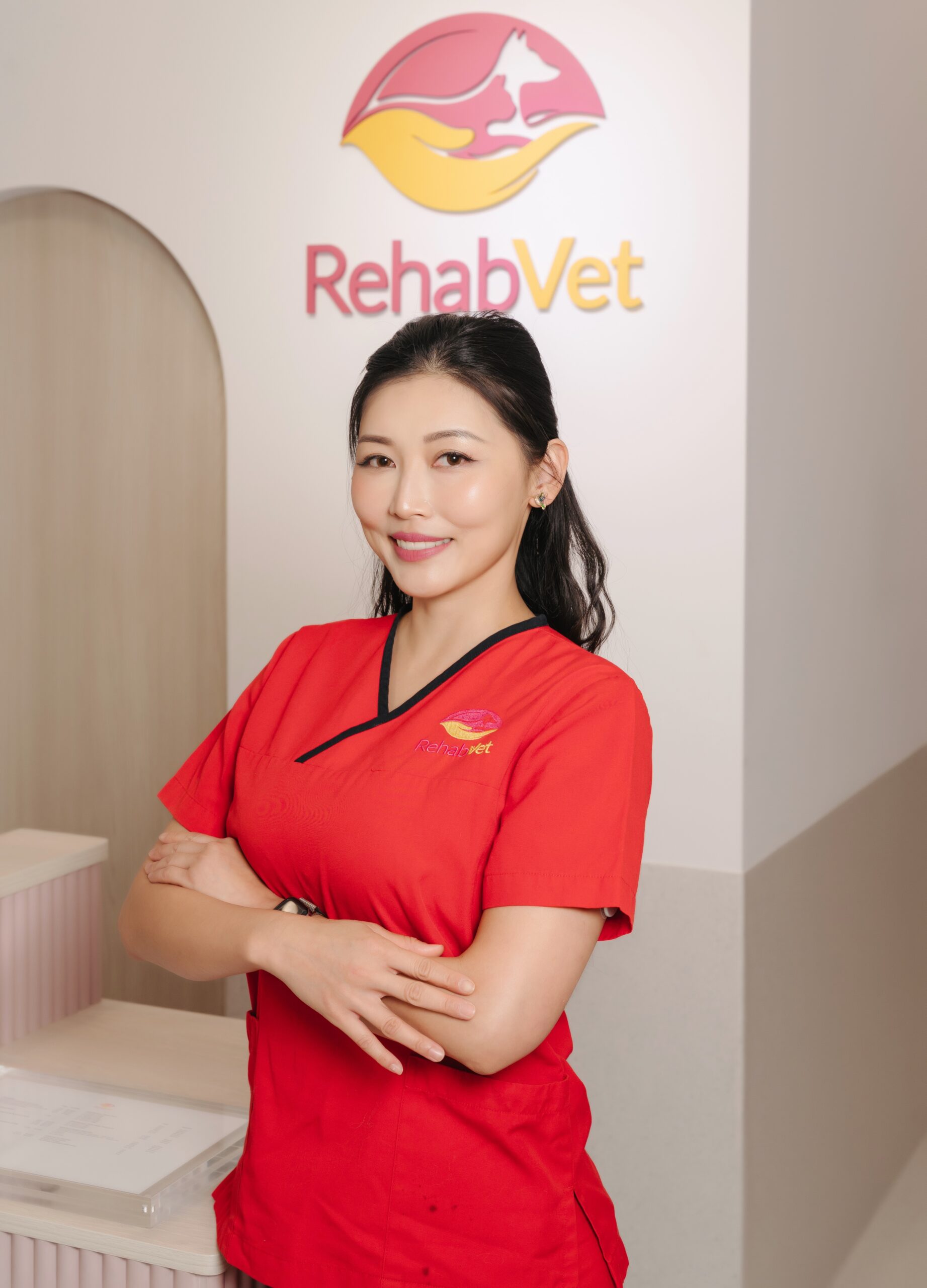
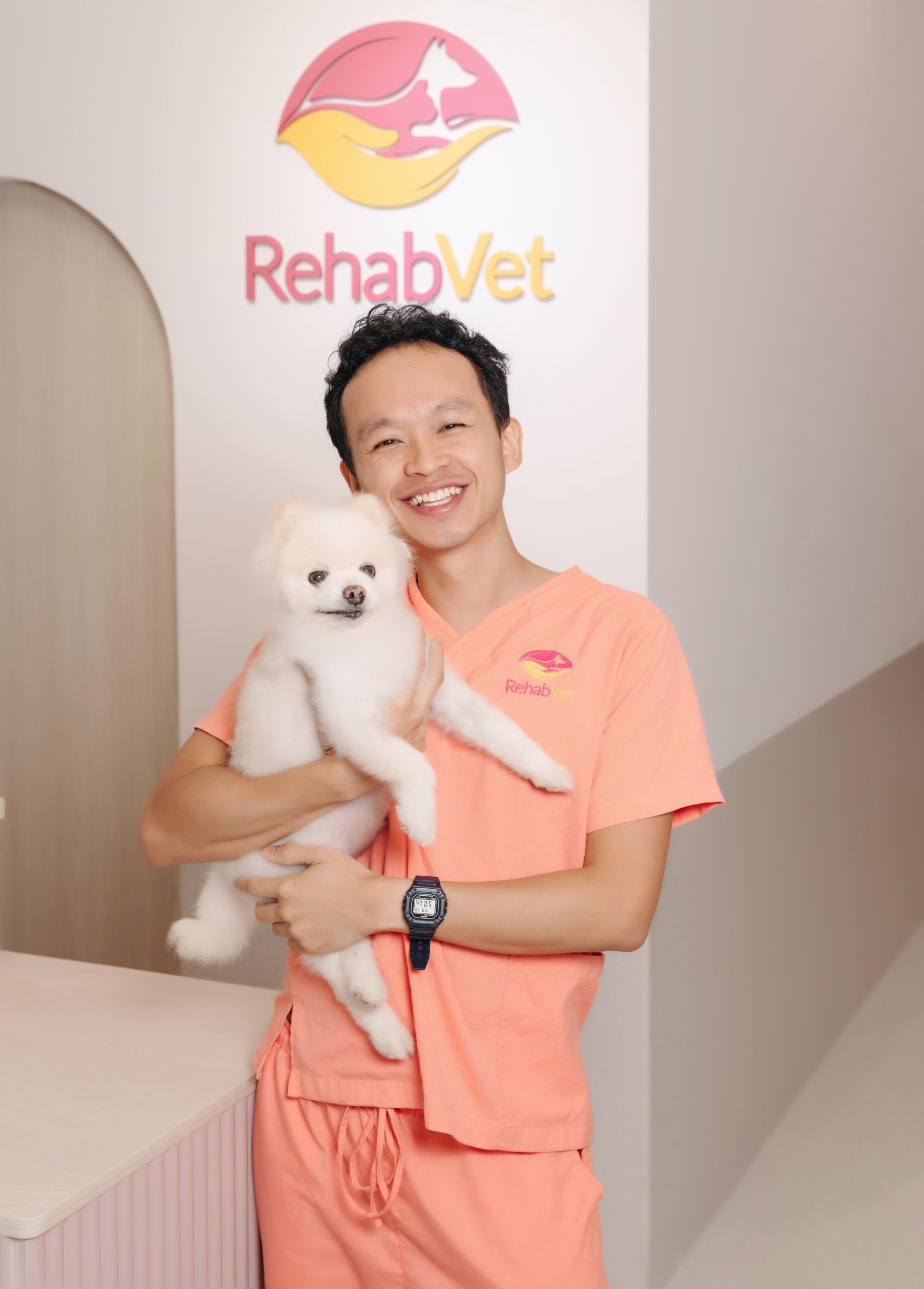
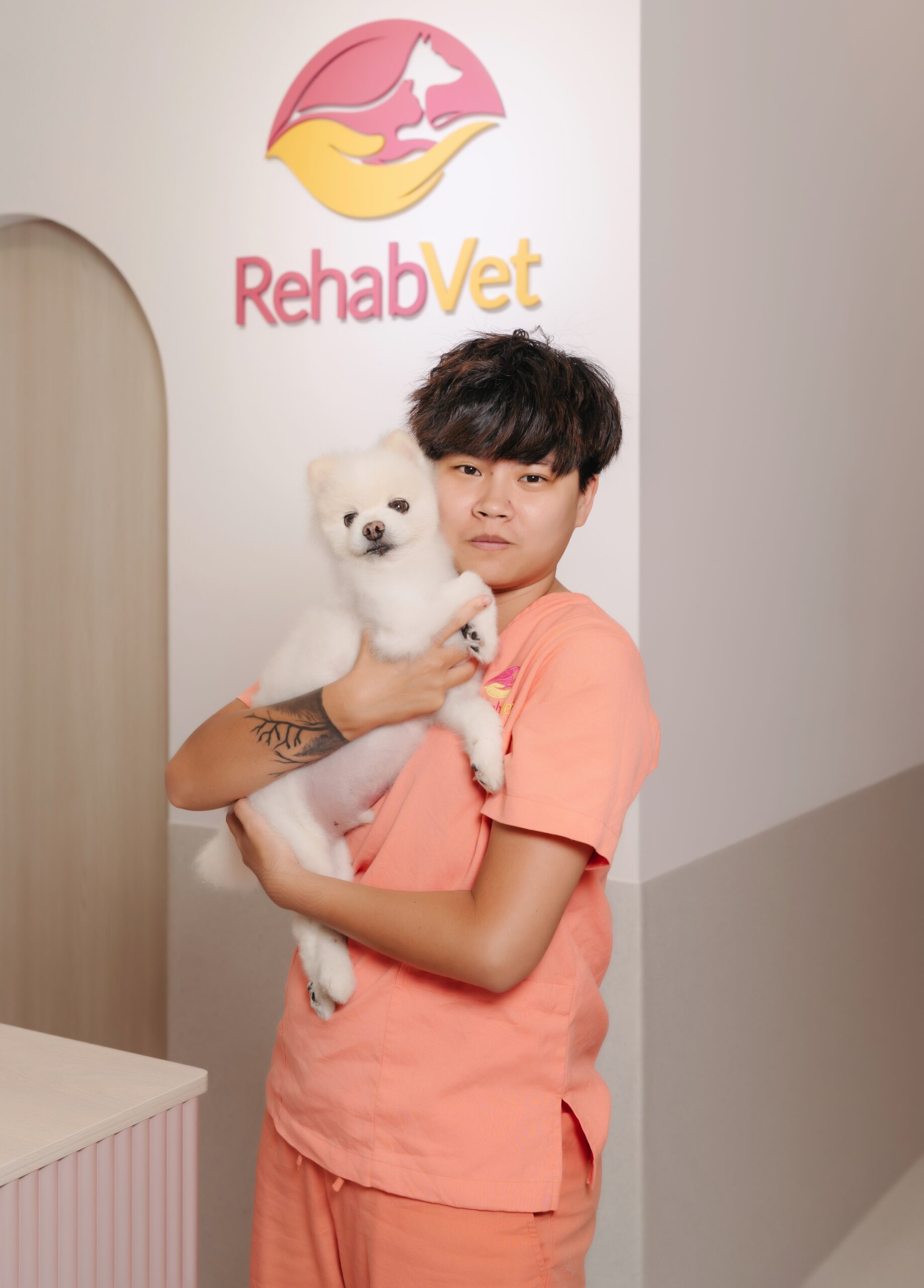
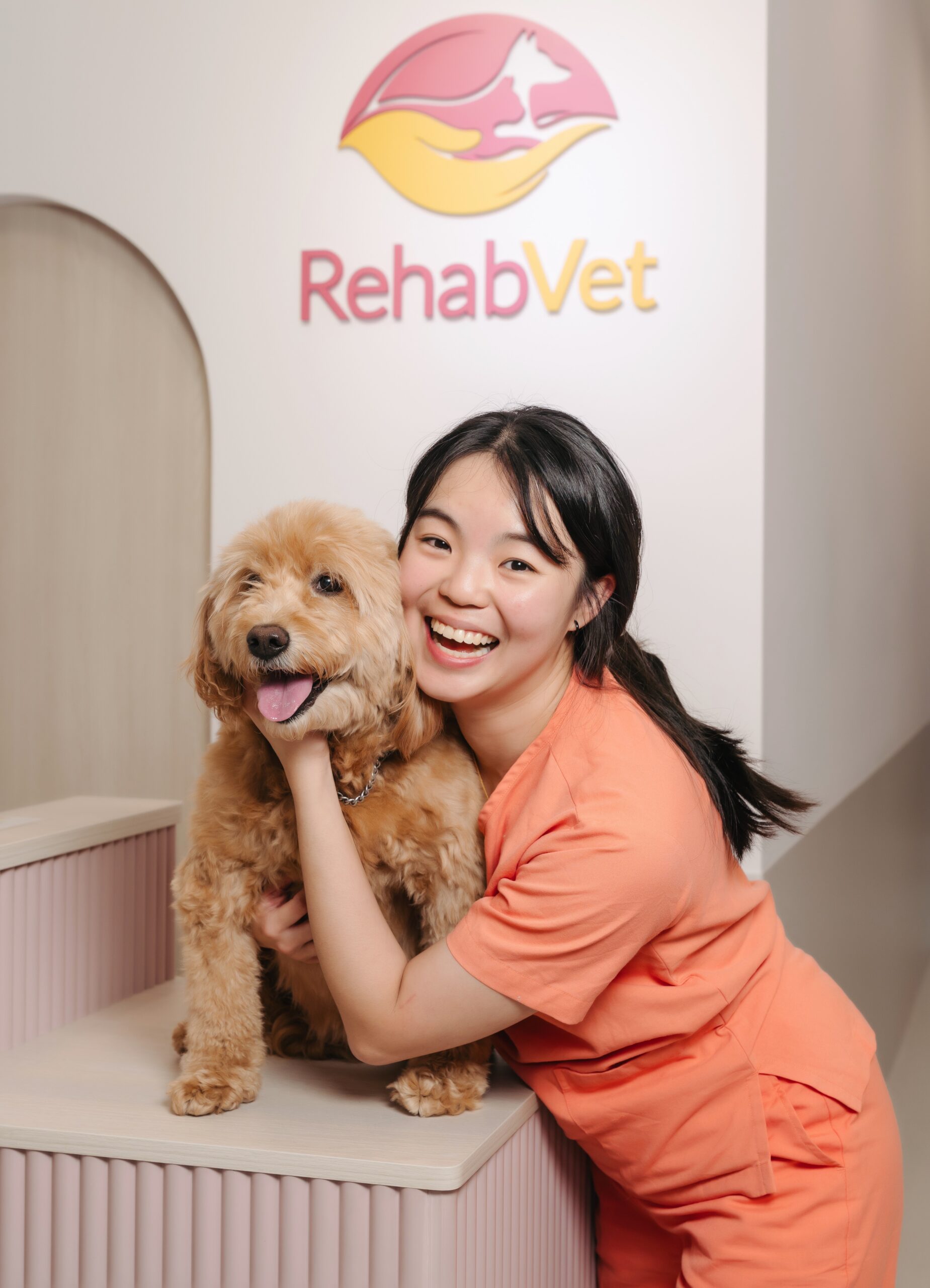
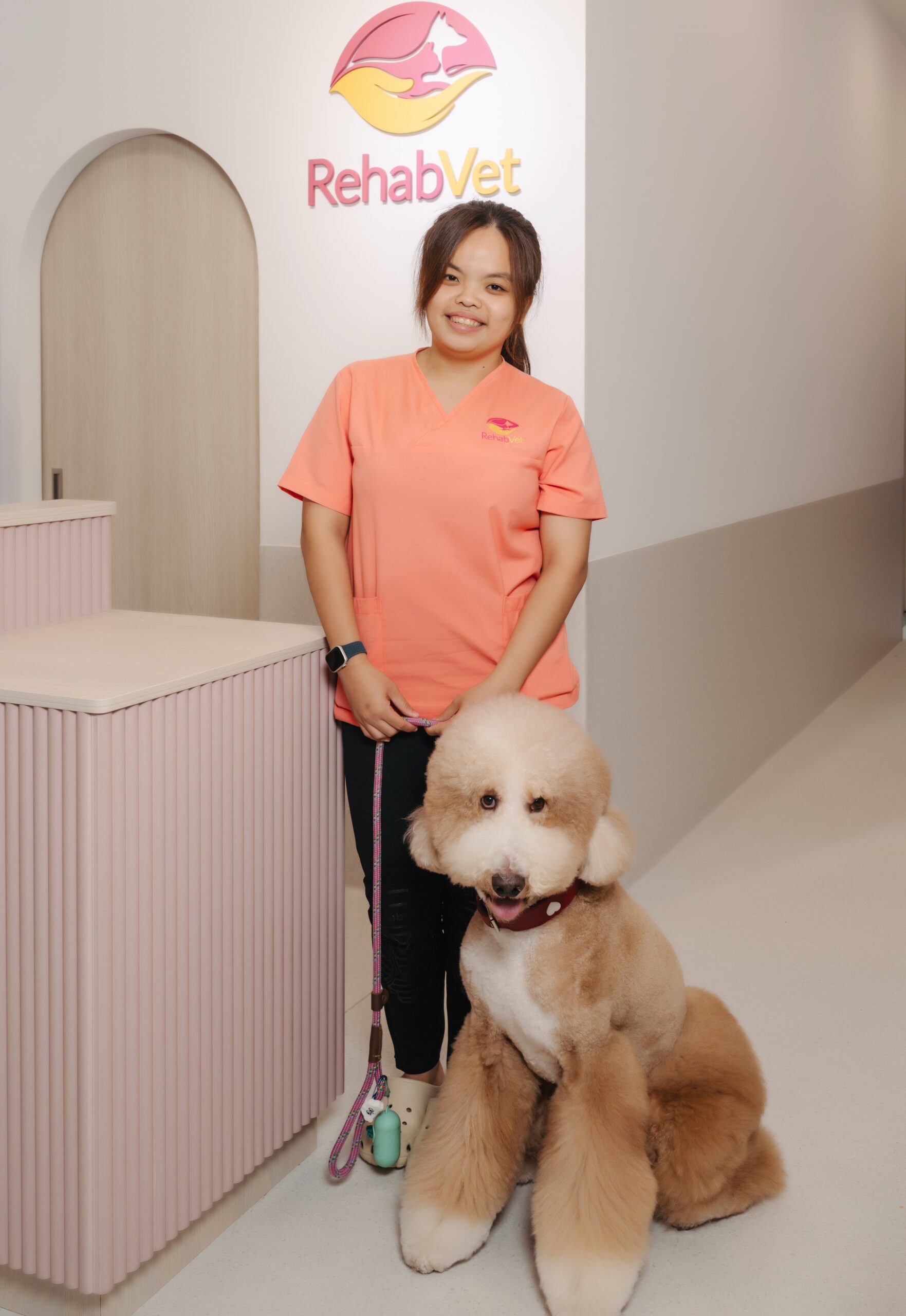
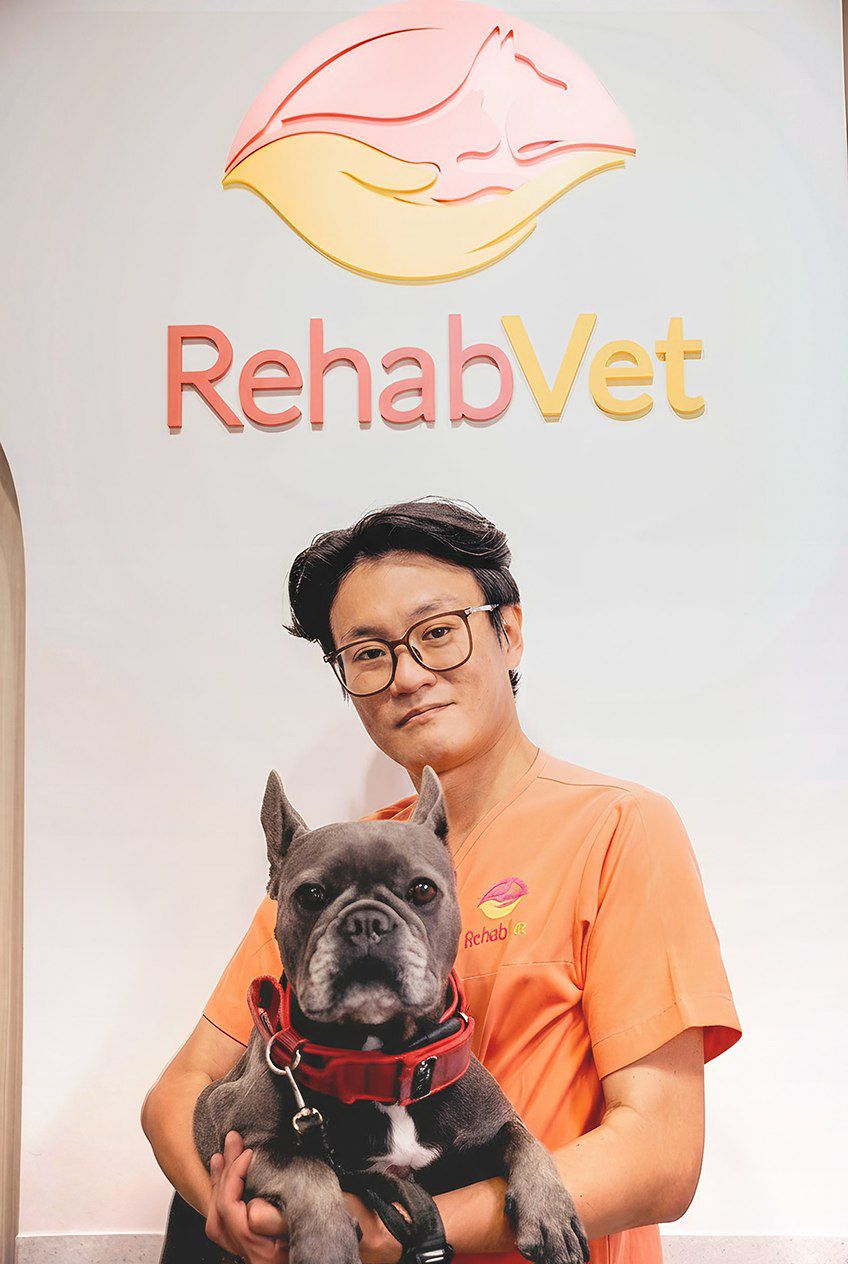
Qualified rehabilitation specialists — dedicated to getting your pet moving again. Led by Dr. Sara Lam BVSc.
230 verified Google reviews
Rehabilitation Success Stories
“Haru has been going to RehabVet since Nov 2025. We witnessed huge improvements through ultrasound/laser therapy, land exercises and hydrotherapy. Exceptional care all round!”
“After consulting RehabVet, Scotty went from constant limping to running again. The therapists are so detailed and patient — couldn't recommend them more highly.”
“Truly grateful to Dr. Sara, the entire team, and especially Xan. Milo was diagnosed with IVDD Grade 3. The whole team has shown such genuine care throughout his recovery journey.”
Frequently Asked Questions About Animal Rehabilitation
Everything pet owners ask before their first rehabilitation session
Getting Started Is Simple
No referral needed. Book in 2 minutes.
Find Us
Ready to Help Your Pet Recover?
Take the first step towards your pet's recovery. Book a rehabilitation consultation — our veterinary team will assess your pet and create a personalised programme.
No referral needed · Sessions from $100 · 230+ 5-star reviews · Dogs & cats welcome
+65 6291 6881 · hello@rehabvet.com