Ancient Wisdom · Modern Veterinary Science
Traditional Chinese Veterinary Medicine (TCVM) in Singapore
Integrative, vet-supervised TCVM for dogs and cats. Acupuncture, electroacupuncture, Chinese herbal medicine, Tui Na massage, and food therapy — combining 3,000 years of healing tradition with evidence-based veterinary practice.

As featured in




What Is Traditional Chinese Veterinary Medicine?
A 3,000-year-old healing system, refined for modern veterinary practice
Traditional Chinese Veterinary Medicine (TCVM) is a comprehensive medical system that has been used to diagnose and treat animals for over three millennia. It encompasses four major branches: acupuncture, Chinese herbal medicine, Tui Na (therapeutic massage), and food therapy (Chinese dietary therapy).
At its core, TCVM views the body as an interconnected system where health depends on the balanced flow of Qi (vital energy) through a network of meridians. Disease arises when this balance is disrupted — by injury, environmental factors, emotional stress, or constitutional weakness. TCVM diagnosis identifies the specific pattern of imbalance, and treatment is directed at restoring harmony.
Modern veterinary research has validated many of TCVM's clinical observations. Studies published in Veterinary Surgery, the Journal of Veterinary Internal Medicine, and the American Journal of Traditional Chinese Veterinary Medicine demonstrate that acupuncture produces measurable physiological responses — including endorphin release, modulation of inflammatory pathways, improved blood circulation, and nerve stimulation.
At RehabVet, our approach to TCVM is integrative and evidence-based. We don't view TCVM and Western medicine as competing philosophies — we see them as complementary systems that, together, offer the most comprehensive care possible for your pet. Every TCVM patient receives both a conventional veterinary assessment and a complete TCVM evaluation, ensuring nothing is missed.
The four pillars of TCVM
Why Choose RehabVet for TCVM in Singapore
Integrative, evidence-based — not alternative
Our TCVM Modalities
Five treatment approaches, personalised for your pet
Each TCVM modality addresses a different aspect of healing. Most patients receive a combination tailored to their specific pattern diagnosis and condition.
Acupuncture
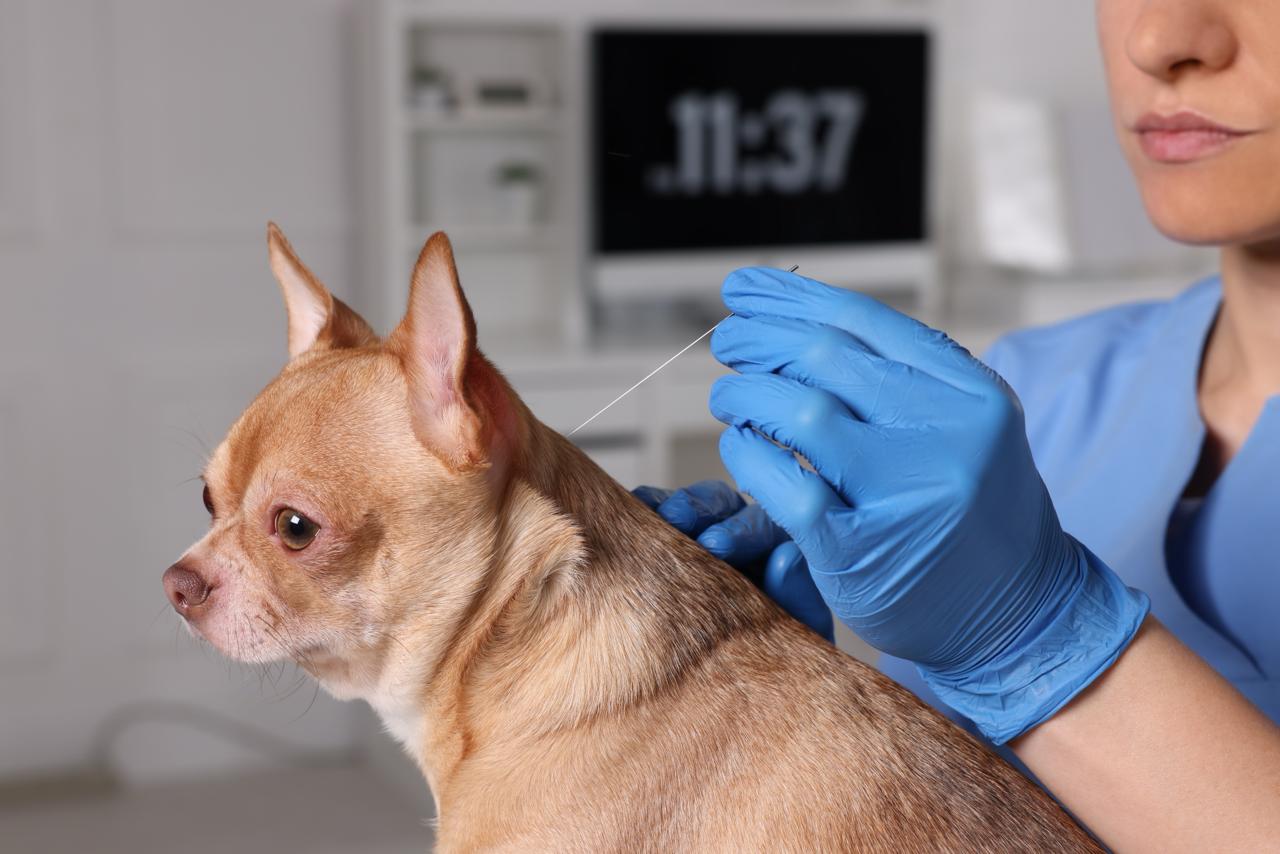
The most well-researched TCVM modality. Fine, sterile needles are inserted at specific anatomical points to stimulate the release of endorphins, improve blood circulation, reduce inflammation, and modulate the nervous system. Includes dry-needle acupuncture and electroacupuncture.
Learn more about veterinary acupuncture →
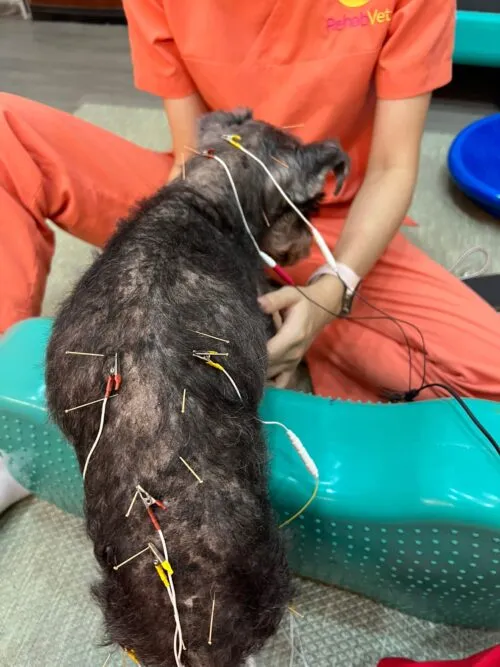
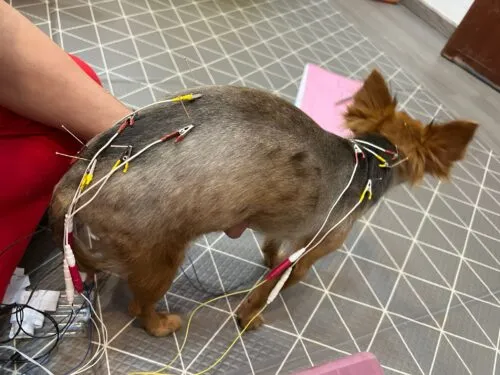
Electroacupuncture
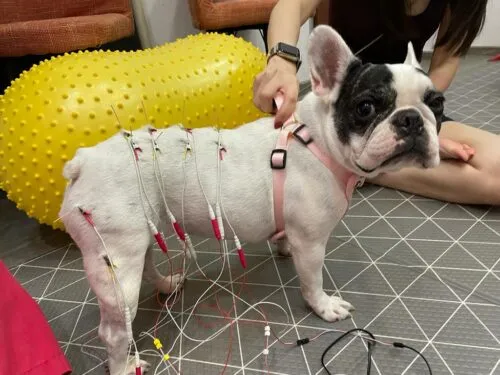
A modern advancement where mild electrical currents are applied through acupuncture needles. Particularly effective for neurological conditions, IVDD, degenerative myelopathy, and severe chronic pain. The electrical stimulation enhances nerve regeneration and muscle activation beyond what dry needling alone achieves.
Chinese Herbal Medicine
Carefully selected, veterinary-grade herbal formulas prescribed to address your pet's specific TCVM pattern diagnosis. Herbal medicine provides ongoing therapeutic support between acupuncture sessions — managing pain, reducing inflammation, supporting organ function, and addressing the root cause of disease according to TCVM theory.

Tui Na (Chinese Medical Massage)
A specialised form of Chinese therapeutic massage that works along meridian pathways and acupuncture points. Tui Na relieves muscle tension, improves joint mobility, promotes circulation, and provides gentle pain relief. Particularly well-suited for pets who are needle-shy or as a complement to acupuncture.
Food Therapy (Chinese Dietary Therapy)
Foods are classified by their thermal nature (warming, cooling, neutral), flavour, and therapeutic action in TCVM. We provide personalised dietary recommendations based on your pet's constitution and condition — using everyday foods as gentle, ongoing medicine to support healing and maintain balance.
10 Benefits of TCVM for Dogs and Cats
Evidence-based outcomes for chronic pain, neurological conditions, recovery, and holistic wellness
1. Drug-free pain management
TCVM — particularly acupuncture — provides significant pain relief by stimulating the release of endorphins, enkephalins, and dynorphins (the body's natural painkillers). This reduces dependence on NSAIDs and other pain medications, minimising the risk of gastrointestinal, renal, and hepatic side effects — especially important for senior pets on long-term pain management.
2. Treats the root cause, not just symptoms
While Western medicine excels at diagnosing and treating specific diseases, TCVM focuses on identifying and correcting underlying imbalances — the patterns that lead to disease. This complementary approach often addresses issues that conventional treatment alone cannot fully resolve.
3. Reduced inflammation
Acupuncture has been shown to downregulate pro-inflammatory cytokines and promote anti-inflammatory mediators. Studies in the Journal of Acupuncture and Meridian Studies demonstrate measurable reductions in both localised and systemic inflammation following acupuncture treatment — beneficial for arthritis, IVDD, and chronic inflammatory conditions.
4. Accelerated healing and recovery
By improving blood flow to injured tissues, acupuncture delivers more oxygen and nutrients to the site of injury while removing metabolic waste products. Combined with herbal medicine to support the healing process internally, TCVM accelerates recovery after surgery, injury, or illness.
5. Enhanced neurological recovery
Electroacupuncture has shown particular promise in treating neurological conditions — including IVDD, degenerative myelopathy, facial nerve paralysis, and vestibular disease. The electrical stimulation can promote nerve regeneration, improve nerve signal transmission, and help restore function in paralysed or weakened patients.
6. Immune system support
TCVM herbal formulas and acupuncture can modulate immune function — valuable for pets with autoimmune conditions, chronic infections, or immunocompromised states. Research shows acupuncture can both upregulate a suppressed immune system and downregulate an overactive one.
7. Gastrointestinal support
Acupuncture and herbal medicine can regulate digestive function effectively, making TCVM particularly useful for pets with chronic gastrointestinal issues such as inflammatory bowel disease (IBD), chronic nausea, appetite loss, or recurrent diarrhoea.
8. Stress and anxiety reduction
Acupuncture has a profoundly calming effect on the nervous system. Many dogs visibly relax during sessions, and some fall asleep — a testament to its soothing nature. Herbal formulas can provide ongoing anxiolytic support for chronically anxious pets.
9. Complements Western veterinary medicine
TCVM is not an alternative to conventional medicine — it is a powerful complement. At RehabVet, we integrate TCVM with physiotherapy, hydrotherapy, laser therapy, and conventional veterinary care for truly comprehensive treatment programmes.
10. Minimal side effects
When practised by qualified veterinary professionals, TCVM modalities have an exceptionally low risk of adverse effects. Acupuncture needles are fine, sterile, and single-use. Herbal formulas are selected from veterinary-grade suppliers with quality controls. Side effects are rare and typically mild.
Conditions We Treat with TCVM
From chronic pain and arthritis to neurological recovery and digestive disorders — TCVM offers therapeutic support across a wide range of conditions in dogs and cats.
Osteoarthritis and chronic joint pain
Arthritis is one of the most common and responsive conditions for TCVM treatment. Acupuncture provides significant pain relief while herbal formulas address the underlying inflammation and joint degeneration. Many arthritic pets show measurable improvements in mobility and comfort within 3–4 sessions.
Intervertebral disc disease (IVDD)
IVDD patients — particularly Dachshunds, French Bulldogs, Corgis, and Shih Tzus — respond exceptionally well to acupuncture and electroacupuncture. TCVM can promote nerve regeneration, reduce spinal inflammation, and support recovery of hind limb function. TCVM is used both pre- and post-surgically for IVDD cases.

Neurological conditions
Degenerative myelopathy, fibrocartilaginous embolism (FCE), vestibular disease, facial nerve paralysis, and post-surgical nerve injuries all benefit from TCVM. Electroacupuncture in particular can stimulate dormant nerve pathways and promote regeneration.
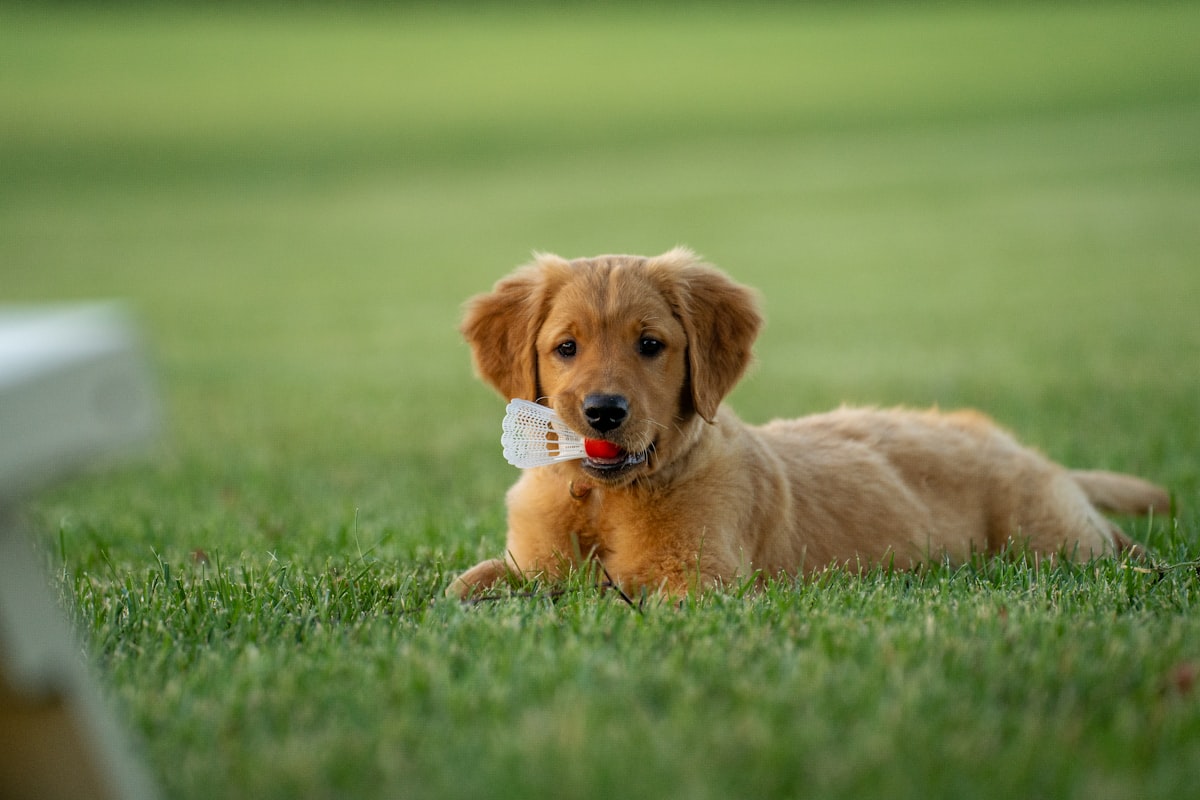
Post-surgical recovery
Acupuncture accelerates healing after orthopaedic and spinal surgeries by reducing post-operative pain, swelling, and inflammation while promoting tissue repair. Herbal medicine supports the healing process from within. TCVM integrates seamlessly with conventional post-surgical rehabilitation.
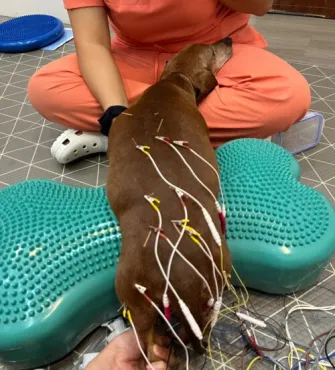
Chronic pain syndromes
Pets with chronic pain that is difficult to manage with medication alone — or where medication side effects are a concern — often find significant relief through acupuncture and herbal medicine. The multimodal approach of TCVM can address pain from multiple angles simultaneously.
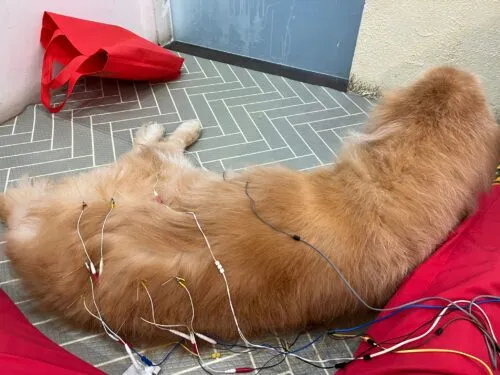
Gastrointestinal disorders
Inflammatory bowel disease (IBD), chronic vomiting, diarrhoea, appetite loss, and nausea respond well to acupuncture and herbal formulas. TCVM addresses digestive issues by strengthening the Spleen Qi and harmonising the digestive system — a unique perspective that often complements conventional GI treatment.
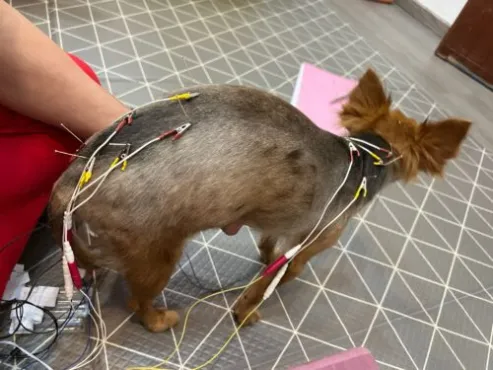
Anxiety and behavioural issues
TCVM views anxiety as a pattern of imbalance (often Liver Qi Stagnation or Heart Blood Deficiency) that can be addressed through acupuncture, herbal formulas, and food therapy. Many anxious pets show marked improvement in behaviour and stress tolerance with regular TCVM treatment.
Geriatric care and quality of life
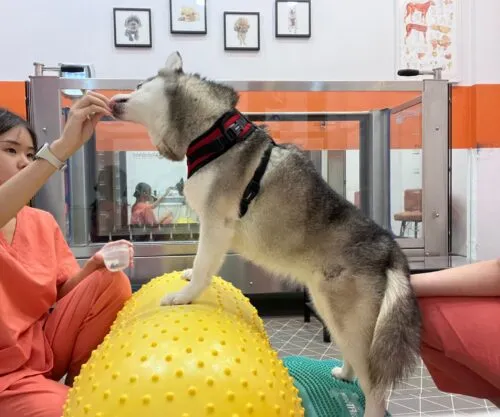
Senior pets benefit enormously from TCVM. Acupuncture helps manage the pain, stiffness, and muscle wasting associated with ageing. Herbal formulas support organ function that declines with age. Food therapy recommendations optimise nutrition for the senior constitution. The goal is maintaining comfort, mobility, and quality of life for as long as possible.
How TCVM Works at RehabVet
A structured, integrative process from assessment to ongoing care
What to Expect at Your Pet's First TCVM Session
New to TCVM? Here's what happens
Bring your pet's medical history, any imaging reports, blood work, surgical reports, and a list of current medications and supplements. Note any changes in appetite, energy, behaviour, or bowel movements — these are important for TCVM diagnosis. No special preparation is needed.
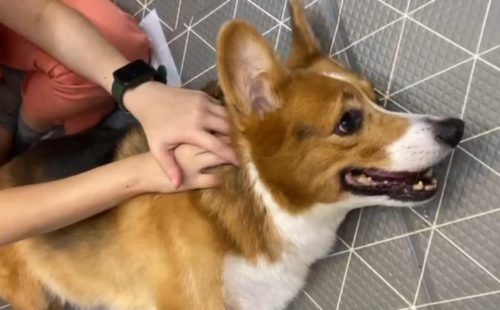
Your first visit is longer because it includes both Western and TCVM assessments. You'll see us observe your pet's posture and gait, examine the tongue, take the pulse, and palpate acupuncture points. We'll discuss your pet's temperament, preferences, and daily routine (all relevant to TCVM). Treatment begins at this visit if appropriate — most pets tolerate acupuncture remarkably well.
Some pets are deeply relaxed or slightly sleepy after their first acupuncture session — this is normal and a good sign. You'll receive the TCVM treatment plan, any herbal prescriptions, food therapy recommendations, and the recommended follow-up schedule. Many pets show noticeable improvement within 1–3 sessions.
TCVM Pricing in Singapore
Transparent pricing — no hidden fees
Many pet insurance policies in Singapore now cover acupuncture as part of rehabilitation. We recommend checking with your insurer before your first appointment. We provide itemised invoices for insurance claims.
Pricing varies based on session duration and additional modalities. Your veterinary team will discuss all costs before beginning treatment — there are no surprises.
WhatsApp us for a personalised quote — +65 8798 7554Acupuncture vs Electroacupuncture
Your vet will recommend the right approach for your pet's condition
| Dry-Needle Acupuncture | Electroacupuncture | |
|---|---|---|
| Method | Fine needles inserted at acupuncture points, retained 15–20 minutes | Needles + mild electrical stimulation via connected wires |
| Best for | Chronic pain, arthritis, anxiety, GI issues, general wellness | Neurological conditions (IVDD, DM), severe pain, muscle atrophy |
| Needle sensation | Minimal — most pets relax or sleep | Mild tingling — still well-tolerated by most pets |
| Session length | 20–30 minutes (needle retention) | 20–30 minutes (electrical stimulation) |
| Evidence base | Extensive — endorphin release, anti-inflammatory effects well-documented | Strong evidence for nerve regeneration and neuromuscular activation |
| Ideal patients | All species and temperaments | Paralysis, severe disc disease, post-surgical nerve recovery |
Meet Your TCVM Team
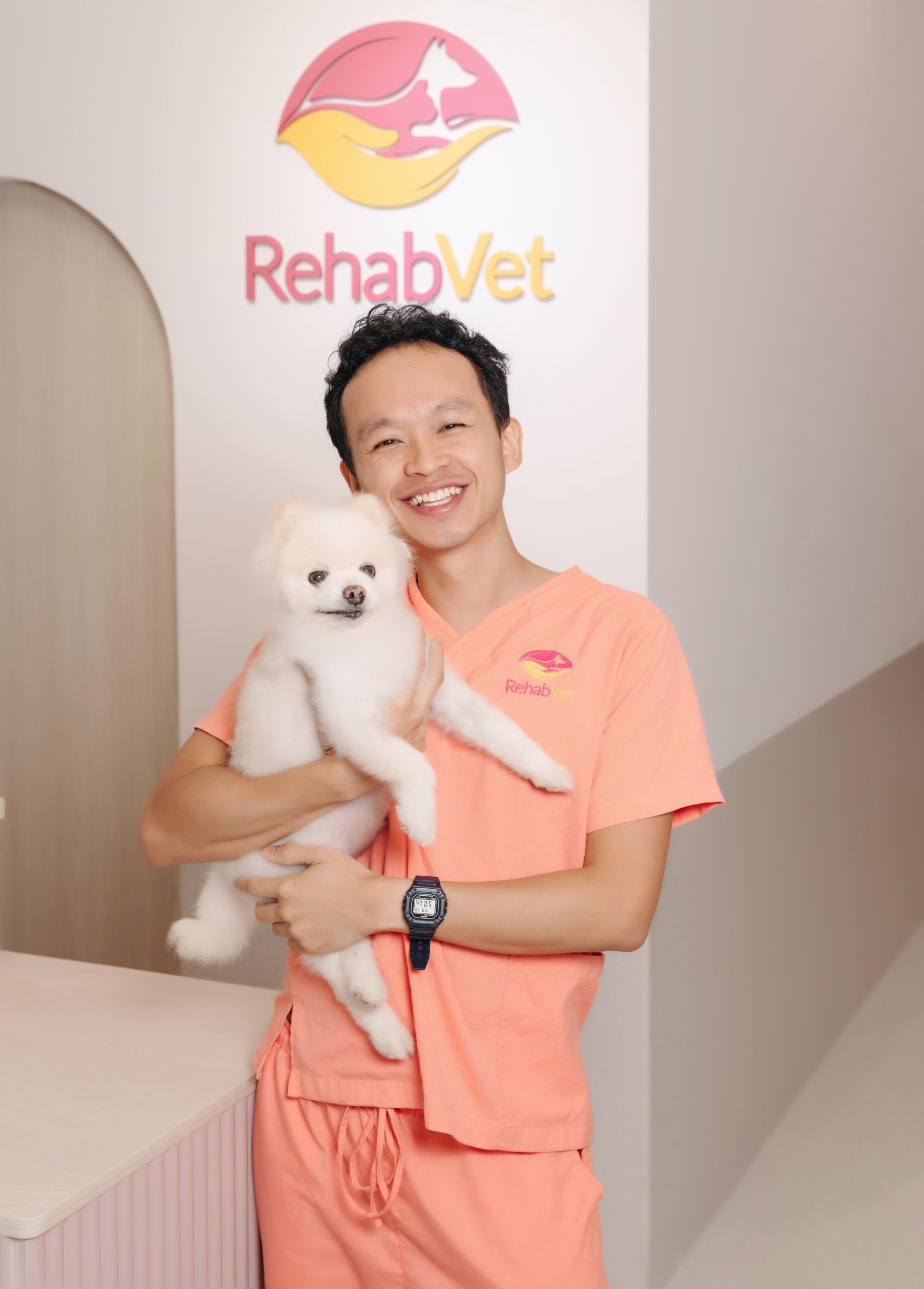
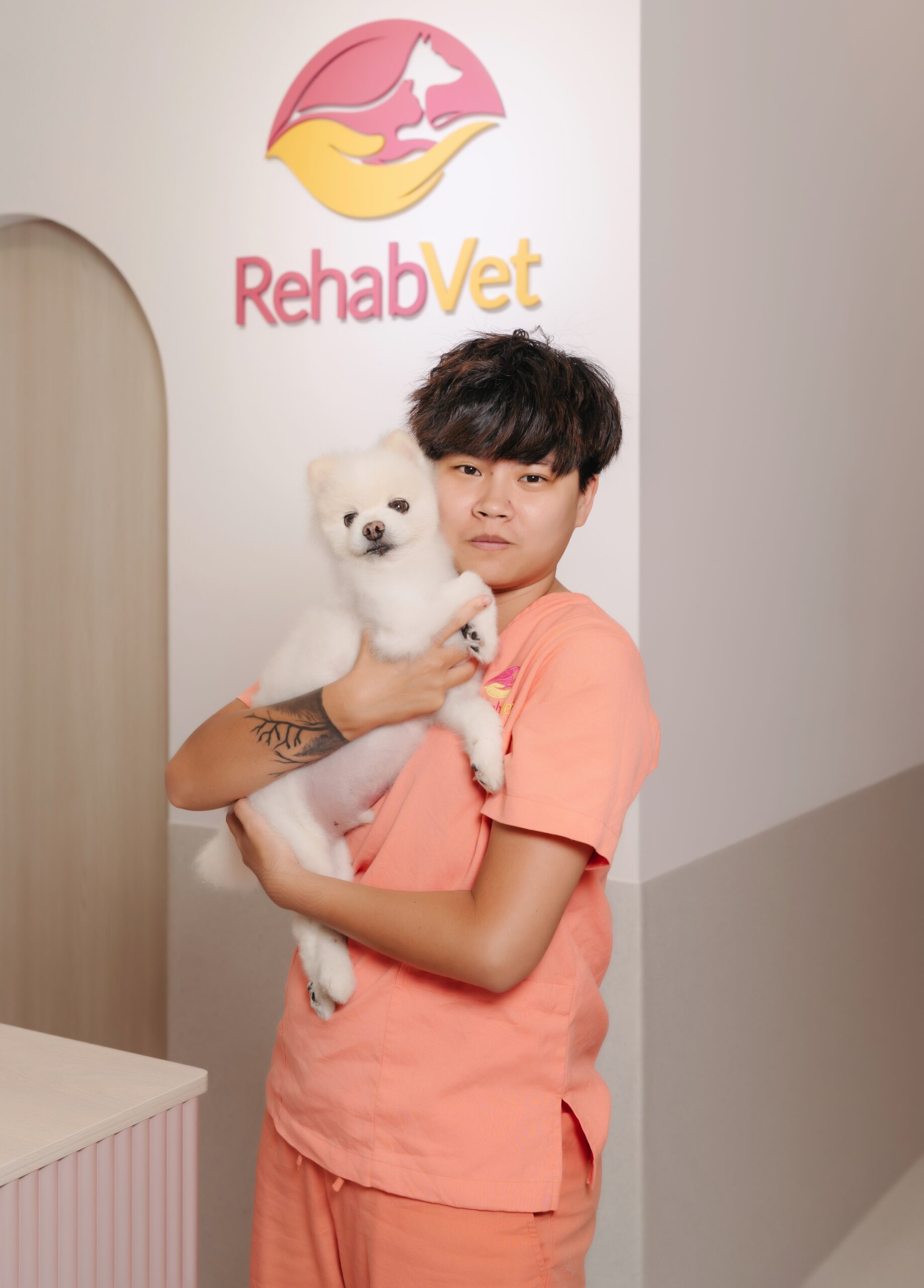
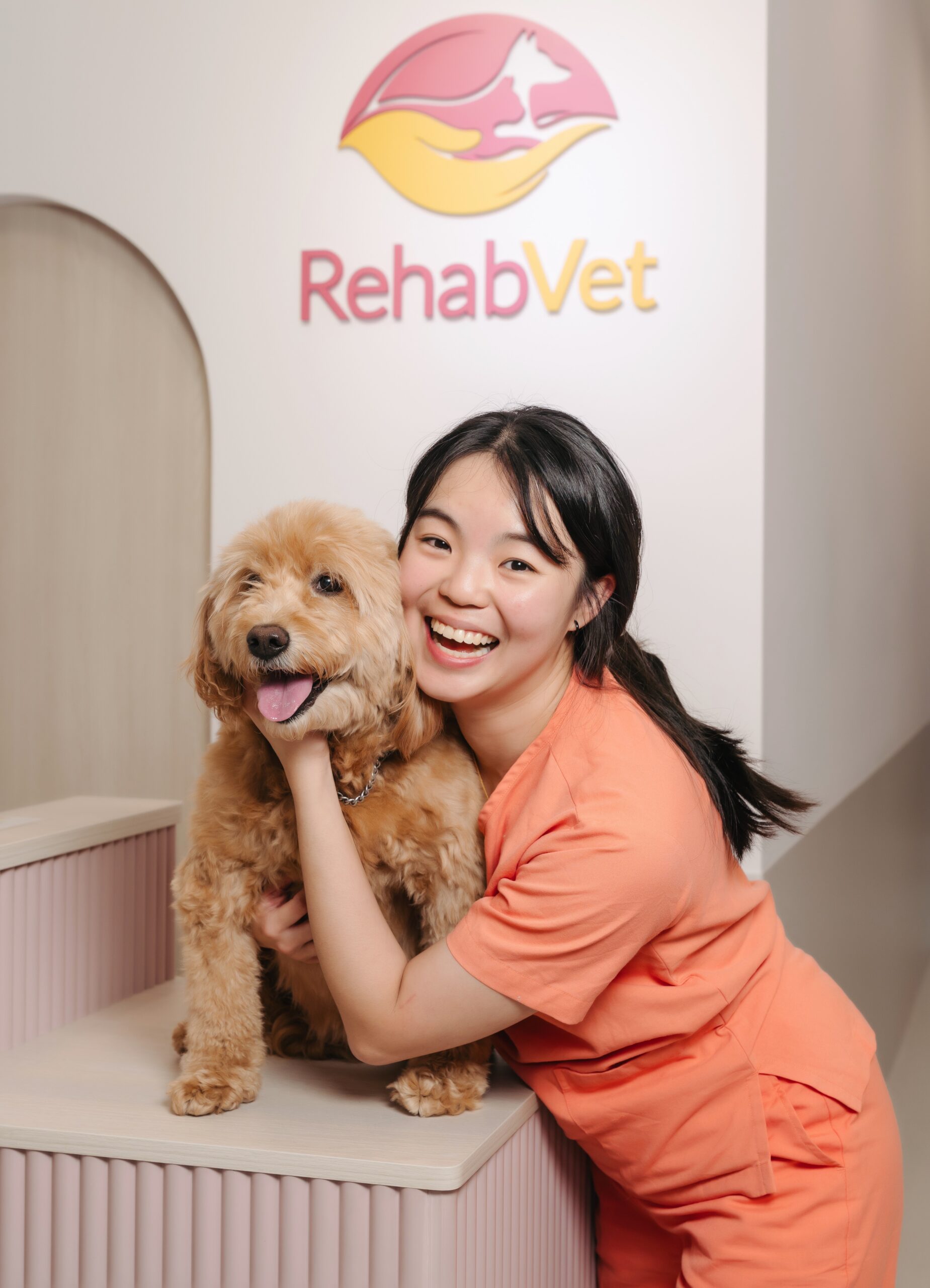
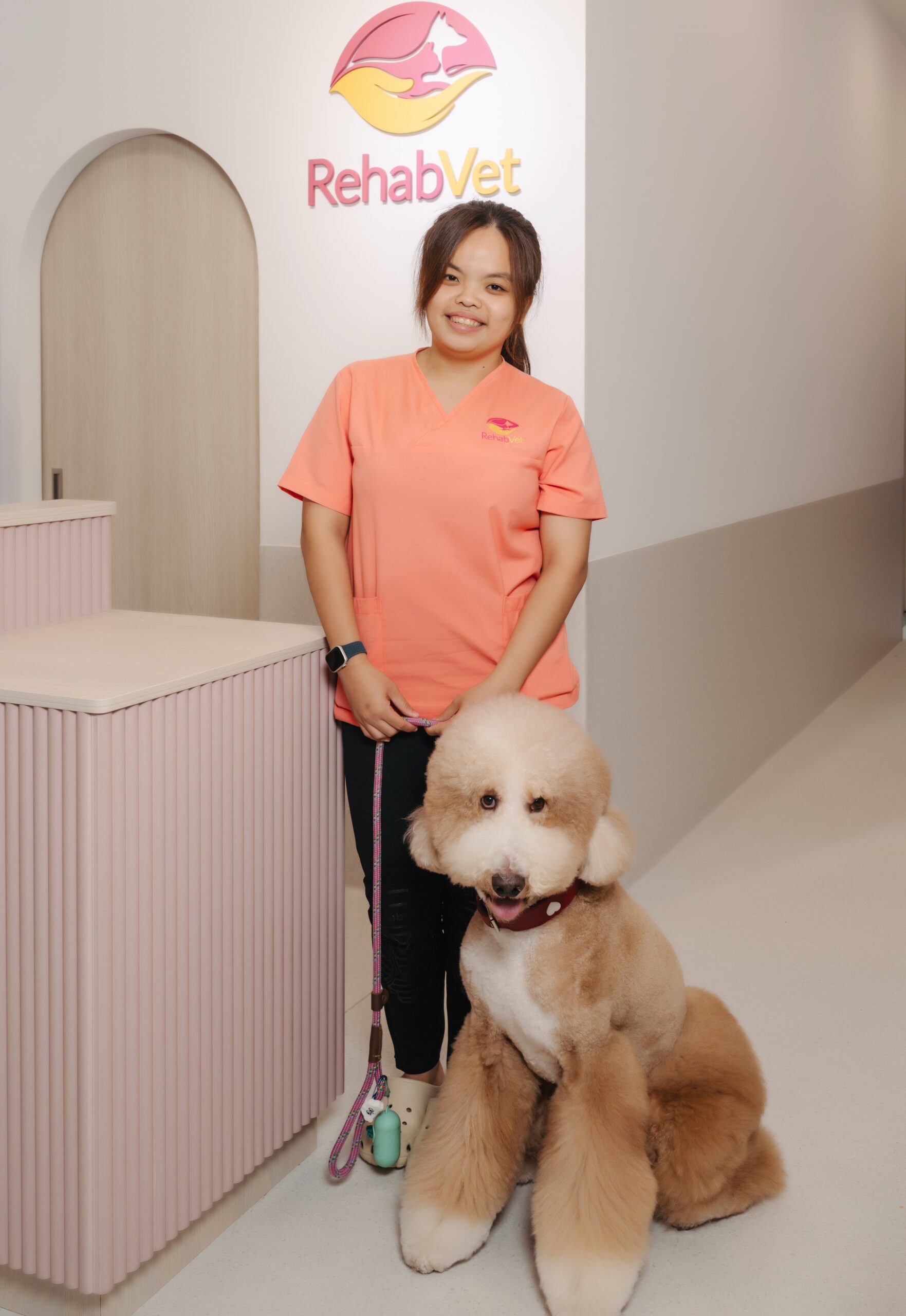
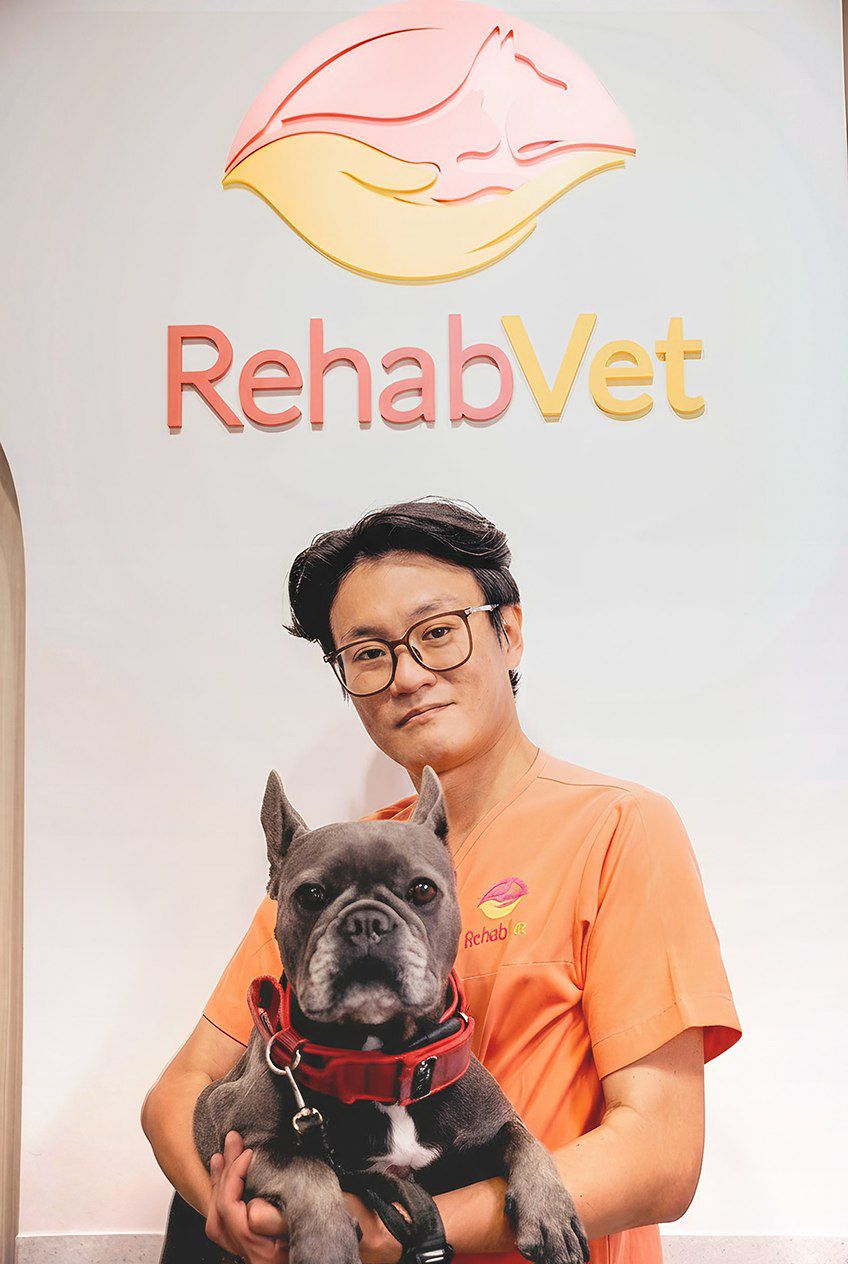
Qualified rehabilitation specialists with TCVM expertise. Led by Dr. Sara Lam BVSc.

230 verified Google reviews
What Pet Owners Say About Our TCVM
“Truly grateful to Dr. Sara, the entire team, and especially Xan. Milo was diagnosed with IVDD Grade 3. The acupuncture sessions have made a remarkable difference — he's walking again and so much more comfortable.”
“Haru has been going to RehabVet since Nov 2025. The combination of acupuncture, laser therapy, land exercises and hydrotherapy has led to huge improvements. Exceptional care all round!”
“After consulting RehabVet, Scotty went from constant limping to running again. The therapists are incredibly detailed and patient — they truly understand each animal's needs.”
Frequently Asked Questions About TCVM
Everything you need to know about Traditional Chinese Veterinary Medicine for your pet
Getting Started Is Simple
No referral needed. Book in 2 minutes.
Find Us
Ready to Explore TCVM for Your Pet?
Discover how Traditional Chinese Veterinary Medicine can complement your pet's care. Book a TCVM consultation — our veterinary team will assess your pet using both Western and TCVM diagnostic methods.
No referral needed · Sessions from $100 · 230+ 5-star reviews · Dogs & cats welcome
+65 6291 6881 · hello@rehabvet.com