Non-Invasive Deep Tissue Therapy · Dogs & Cats
Ultrasound Therapy for Dogs and Cats in Singapore
Non-invasive, vet-supervised therapeutic ultrasound that accelerates tissue healing, breaks down scar tissue, relieves chronic pain, and improves joint flexibility — painlessly, with no sedation required.
As featured in





What Is Therapeutic Ultrasound for Dogs and Cats?
Deep tissue healing through high-frequency sound waves — completely painless
Therapeutic ultrasound uses high-frequency sound waves (typically 1–3 MHz) to deliver energy deep into body tissues. Unlike diagnostic ultrasound — which creates images of internal structures — therapeutic ultrasound treats tissue by promoting cellular healing, reducing inflammation, breaking down scar tissue, and providing pain relief at the tissue level.
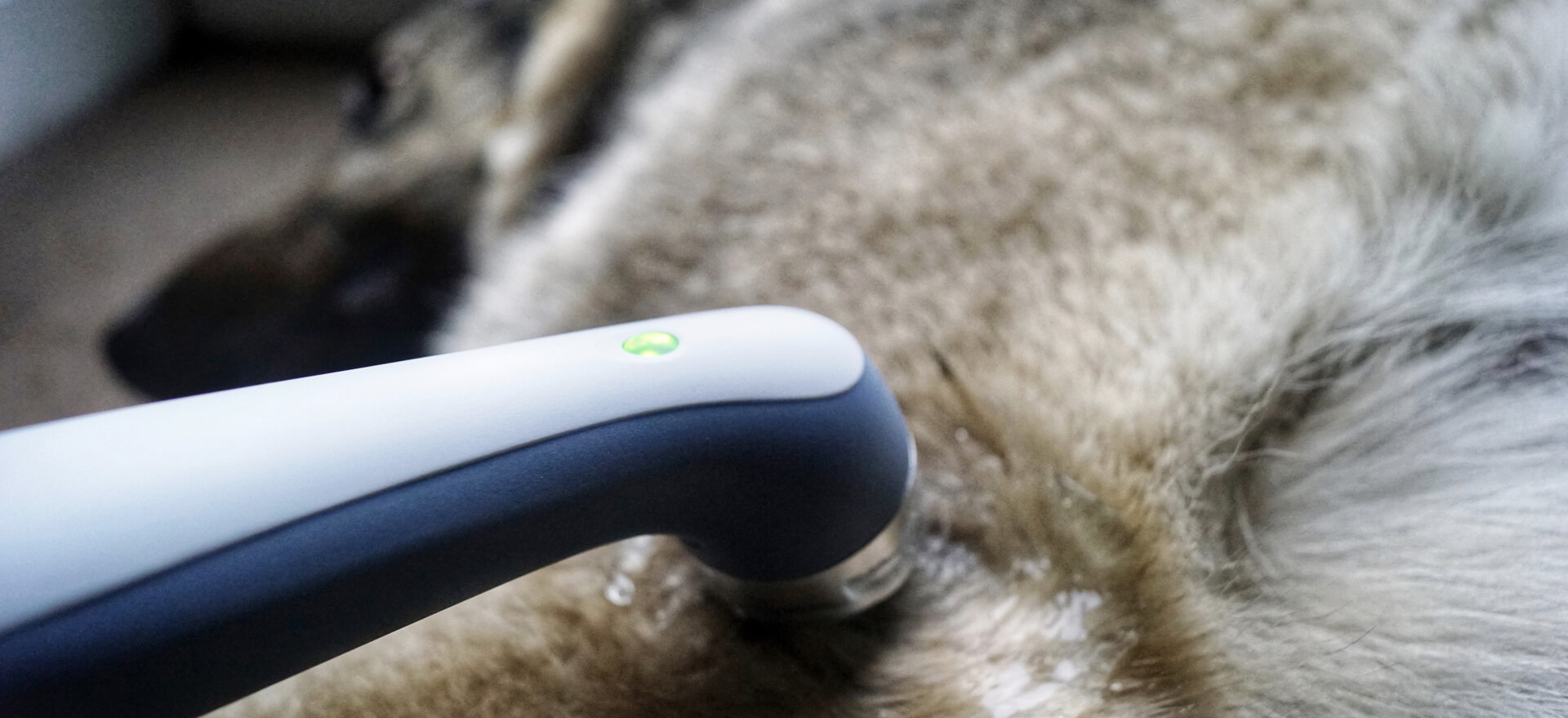
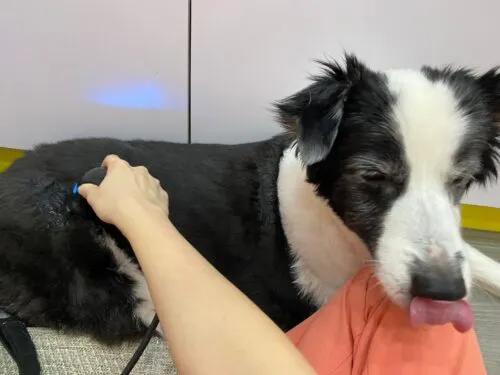
The ultrasound transducer is moved continuously over the skin surface using a water-based coupling gel. Sound waves penetrate through the skin and into deeper structures — muscles, tendons, ligaments, and joint capsules — reaching tissues that cannot be effectively treated with surface-level heat or manual therapy alone.
Therapeutic ultrasound works through two main mechanisms: thermal effects (continuous mode generates controlled deep tissue heating that increases blood flow, relaxes muscle spasm, and improves tissue extensibility) and non-thermal effects (pulsed mode produces acoustic streaming and cavitation that stimulate cell membrane activity, fibroblast proliferation, and collagen production without significant heating).
At RehabVet, therapeutic ultrasound is prescribed by our veterinary team and delivered by qualified rehabilitation therapists. We select between continuous and pulsed modes, adjust intensity and frequency, and target specific tissues based on your pet's diagnosis and treatment phase. Ultrasound is most effective when integrated into a comprehensive physical therapy programme.
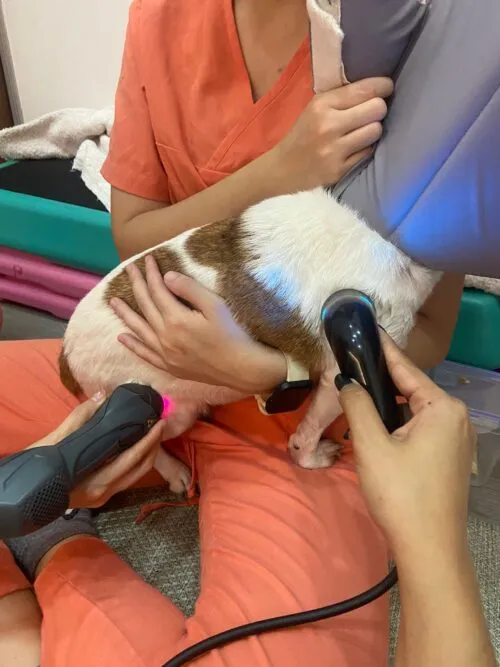
How therapeutic ultrasound differs from other modalities
| Feature | Ultrasound | Laser Therapy | NMES |
|---|---|---|---|
| Mechanism | Sound waves (mechanical) | Light energy (photons) | Electrical current |
| Depth | 2–5 cm deep tissue | 2–4 cm penetration | Superficial muscles |
| Best for | Tendons, scar tissue, joints | Inflammation, wounds | Muscle strengthening |
| Sensation | Gentle warmth | None–mild warmth | Tingling, muscle twitch |
Why Choose RehabVet for Ultrasound Therapy?
Veterinary-grade equipment, expert therapists, integrated treatment programmes
How Ultrasound Therapy Works
Two modes, two mechanisms — tailored to your pet's condition
Continuous Mode (Thermal)
Delivers sustained deep tissue heating — reaching muscles, tendons, and joints that surface heat packs cannot.
Effects:
- Increases blood flow and nutrient delivery
- Relaxes muscle spasm and tension
- Improves tissue extensibility for stretching
- Raises pain threshold (analgesia)
Best for: chronic conditions, joint stiffness, muscle spasm, pre-stretching preparation
Pulsed Mode (Non-Thermal)
Delivers mechanical energy in short bursts — promoting cellular healing without significant tissue heating.
Effects:
- Stimulates fibroblast activity and collagen production
- Increases cell membrane permeability
- Promotes tissue repair at the cellular level
- Reduces inflammation without heat
Best for: acute injuries, wound healing, tendon repair, post-surgical recovery
What happens during a session
Your therapist assesses the treatment area and selects appropriate parameters (mode, frequency, intensity)
A water-based coupling gel is applied to ensure efficient sound wave transmission
The ultrasound transducer is moved continuously over the target area in slow, overlapping strokes
Treatment typically lasts 5–15 minutes per area — your pet stays comfortable throughout
The session continues with other modalities (manual therapy, exercises, or hydrotherapy) as prescribed
10 Benefits of Ultrasound Therapy for Dogs and Cats
Evidence-based outcomes for tissue healing, pain relief, and recovery
1. Non-invasive and painless treatment
Therapeutic ultrasound is completely non-invasive — there are no needles, no incisions, and no sedation required. The handheld transducer glides over the skin surface, delivering sound waves deep into the tissue. Most pets find the gentle warmth soothing, and many relax or fall asleep during treatment. Sessions are stress-free for even anxious patients.
2. Accelerated tissue healing
Ultrasound waves stimulate fibroblast activity and collagen production at the cellular level, accelerating the repair of damaged tendons, ligaments, muscles, and joint capsules. Studies in veterinary rehabilitation demonstrate that therapeutic ultrasound can reduce healing time by 20–30% compared to rest alone — particularly important for tendon and ligament injuries where blood supply is naturally limited.
3. Deep tissue pain relief
Ultrasound provides analgesia through two mechanisms: thermal effects (gentle deep heating relaxes muscle spasm and increases pain threshold) and non-thermal effects (acoustic streaming and cavitation modulate pain signalling at the cellular level). This dual mechanism provides effective pain relief for both acute injuries and chronic conditions.
4. Reduced inflammation
Therapeutic ultrasound modulates the inflammatory response — reducing excessive inflammation while supporting the body's natural healing process. The increased blood flow and cellular activity promoted by ultrasound help clear inflammatory mediators and debris from injured tissues, reducing swelling and discomfort.
5. Improved blood circulation
Ultrasound waves increase local blood flow to the treated area, delivering oxygen and nutrients essential for tissue repair while removing metabolic waste products. This enhanced circulation is particularly beneficial for structures with naturally poor blood supply — tendons, ligaments, and joint capsules — where healing is often slow.
6. Scar tissue breakdown and remodelling
One of therapeutic ultrasound's most valuable applications is breaking down restrictive scar tissue and adhesions. By applying targeted sound energy, ultrasound can soften and remodel disorganised collagen fibres, restoring flexibility and function to tissues that have healed with excessive scarring. This is essential after surgery, fractures, and tendon injuries.
7. Enhanced joint flexibility
Ultrasound increases the extensibility of collagen-rich structures — joint capsules, tendons, and ligaments — making them more responsive to stretching and mobilisation. When combined with manual therapy and therapeutic exercises, ultrasound helps restore range of motion in stiff or contracted joints more effectively than manual therapy alone.
8. Muscle relaxation and spasm relief
The thermal effects of ultrasound penetrate deeper than surface heat packs, reaching muscles that lie beneath multiple tissue layers. This deep heating relaxes muscle spasm, reduces trigger point sensitivity, and prepares muscles for therapeutic exercise — making it an ideal pre-treatment before manual therapy sessions.
9. Complementary to other modalities
Therapeutic ultrasound integrates seamlessly with manual therapy, therapeutic exercises, laser therapy, and hydrotherapy. At RehabVet, we typically use ultrasound as part of a multimodal treatment programme — preparing tissues for stretching, enhancing the effects of exercise therapy, and accelerating recovery between sessions.
10. Safe for long-term and repeated use
Unlike medications that carry risks of organ damage with prolonged use, therapeutic ultrasound can be safely repeated over extended treatment periods. There are no systemic side effects, no drug interactions, and no withdrawal concerns. This makes it ideal for managing chronic conditions where ongoing treatment is needed.
Conditions Treated with Ultrasound Therapy
From tendon injuries to post-surgical scar tissue — therapeutic ultrasound addresses a wide range of musculoskeletal conditions in dogs and cats.
Tendon and ligament injuries
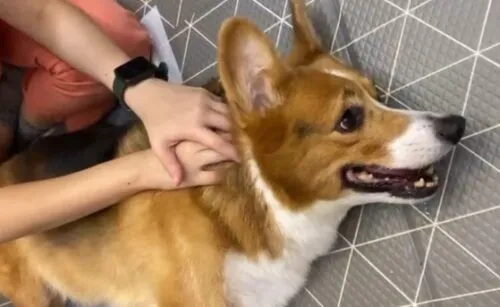
Tendon injuries — including supraspinatus tendinopathy, Achilles tendon strains, and biceps tendinitis — are among the primary indications for therapeutic ultrasound. The treatment stimulates collagen synthesis and remodelling, accelerating tendon repair while improving the quality and organisation of healing tissue. Similarly effective for ligament sprains and partial tears.

Post-surgical scar tissue and adhesions
After orthopaedic surgery (TPLO, TTA, fracture repair, FHO), scar tissue can restrict joint motion and cause ongoing discomfort. Therapeutic ultrasound breaks down adhesions and promotes organised collagen remodelling — restoring flexibility to tissues that have healed with excessive scarring. Particularly valuable when combined with manual therapy and stretching.
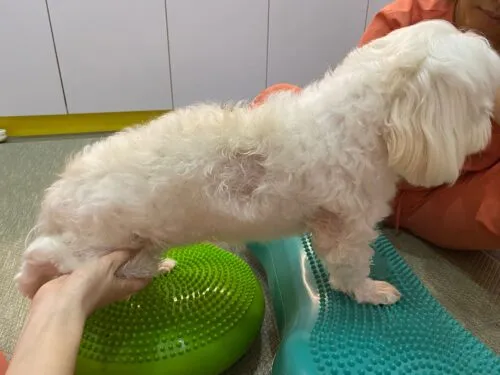
Osteoarthritis and degenerative joint disease
Ultrasound provides symptomatic relief for arthritic joints through deep heating, improved circulation, and inflammation modulation. When used as part of a comprehensive arthritis management programme — alongside manual therapy, therapeutic exercises, and weight management — ultrasound contributes to reduced pain and improved joint function.
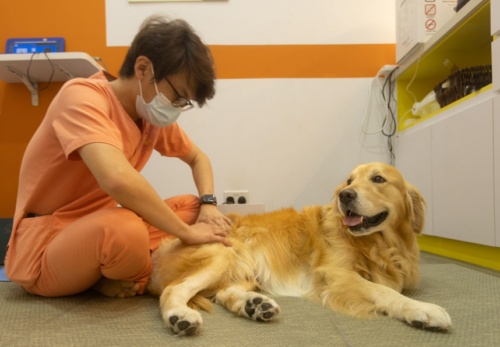
Muscle strains and contusions
Acute and chronic muscle injuries respond well to therapeutic ultrasound. The treatment reduces inflammation, promotes muscle fibre repair, and prevents the formation of restrictive scar tissue within the muscle belly. Deep heating also relieves muscle spasm and prepares injured muscles for gentle therapeutic exercise.
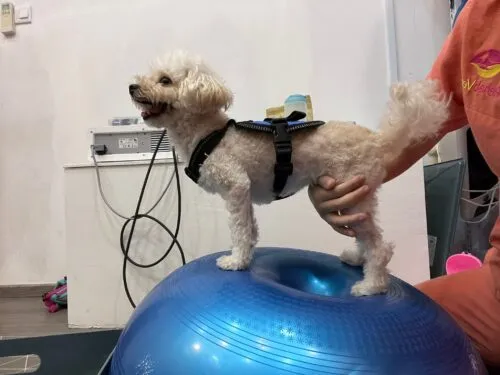
Joint contractures and stiffness
When joints become stiff due to prolonged immobilisation, post-surgical fibrosis, or chronic disuse, ultrasound increases the extensibility of the periarticular structures — making them more responsive to stretching and mobilisation. This is particularly valuable in the early post-surgical period when joint range of motion needs to be restored.
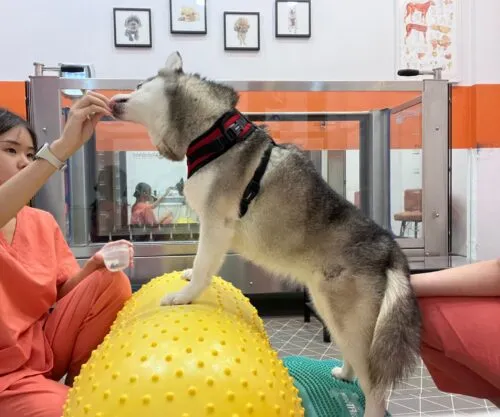
Chronic pain conditions
For pets with ongoing musculoskeletal pain — whether from arthritis, old injuries, or degenerative conditions — therapeutic ultrasound provides drug-free pain relief through both thermal and non-thermal mechanisms. Regular ultrasound treatments can reduce reliance on pain medications and improve comfort and quality of life.
Wound healing
Therapeutic ultrasound at low intensities (pulsed mode) has been shown to accelerate wound healing by stimulating cell proliferation and collagen deposition. It is particularly useful for chronic or non-healing wounds where conventional management has plateaued.
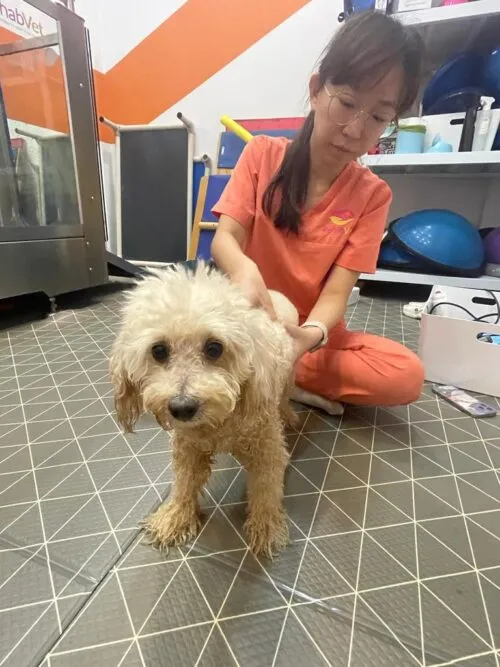
Feline musculoskeletal conditions
Cats benefit from therapeutic ultrasound just as dogs do — particularly for arthritis (vastly underdiagnosed in cats), post-surgical recovery, and chronic pain. The gentle, non-invasive nature of ultrasound makes it well-tolerated by feline patients. Treatment parameters are adapted for cats' smaller body size and unique physiology.
Ultrasound Therapy Pricing in Singapore
Transparent pricing — ultrasound is included in comprehensive therapy sessions
Therapeutic ultrasound is typically integrated into comprehensive physical therapy sessions rather than billed as a standalone treatment. This ensures you receive the full benefit of multimodal therapy — ultrasound combined with manual therapy, exercises, and other modalities — at no additional cost for the ultrasound component.
Many pet insurance policies in Singapore now cover physical therapy and rehabilitation. We recommend contacting your insurer before your first appointment. We provide itemised invoices for insurance claims.
WhatsApp us for a personalised quote — +65 8798 7554Meet Your Therapy Team
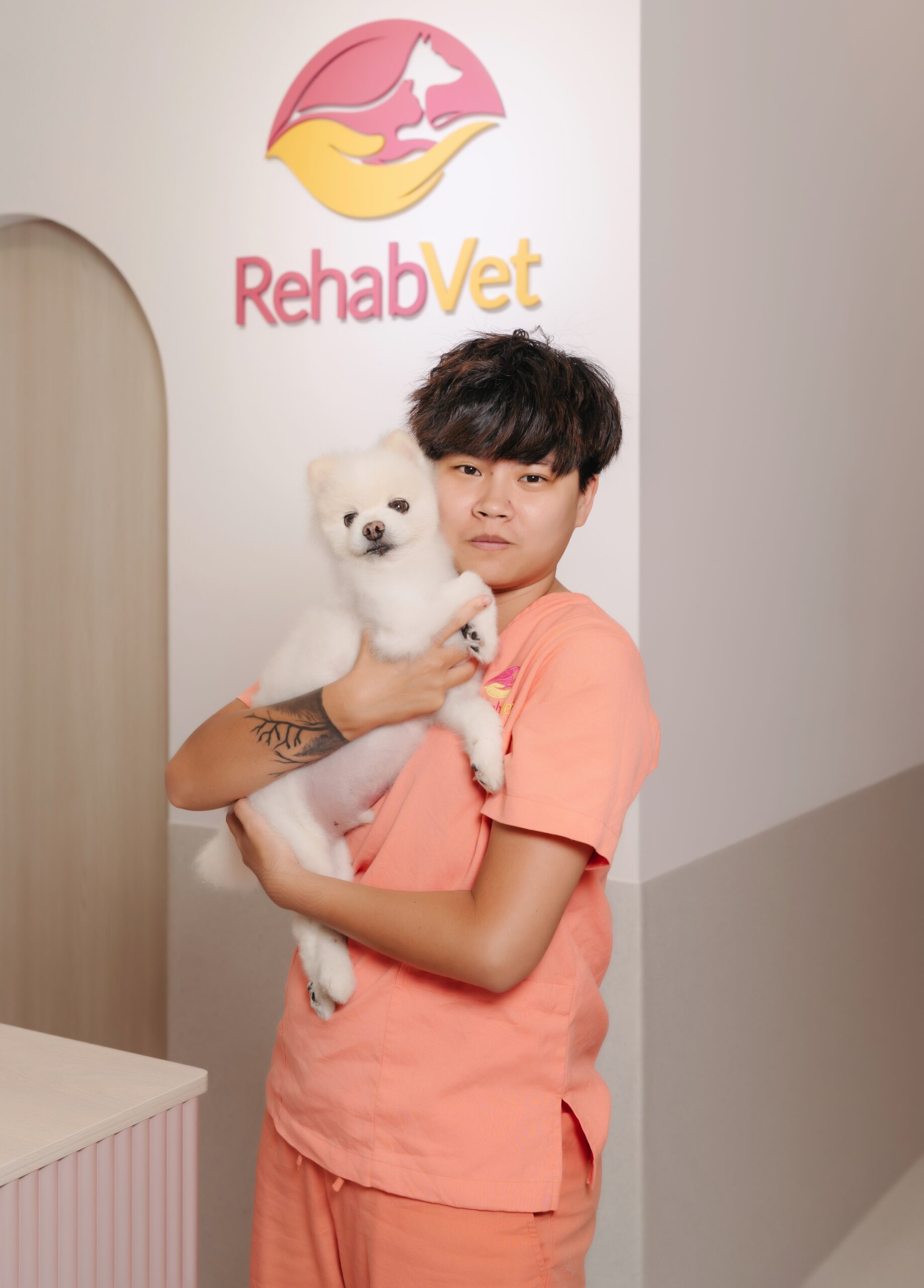
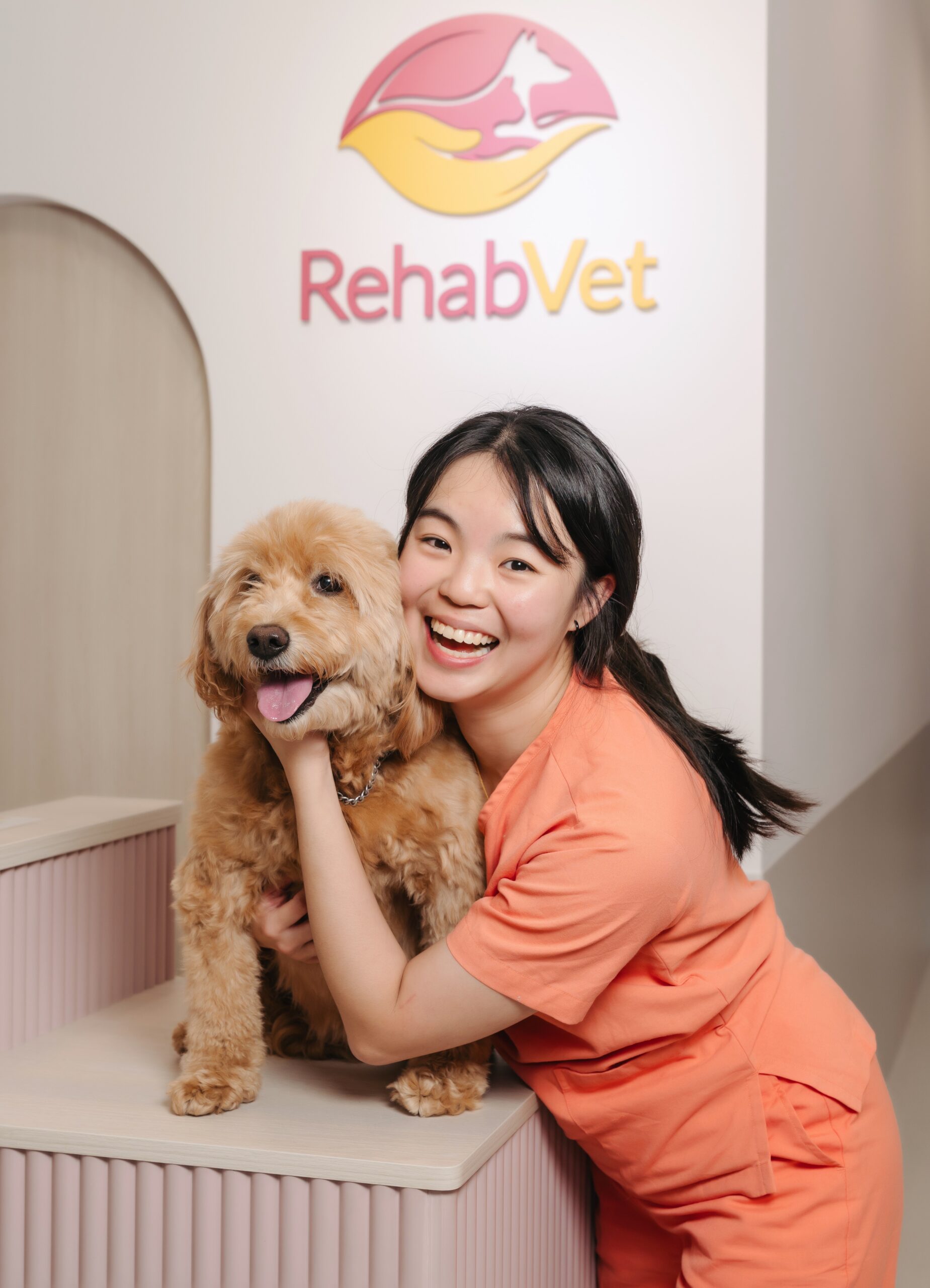
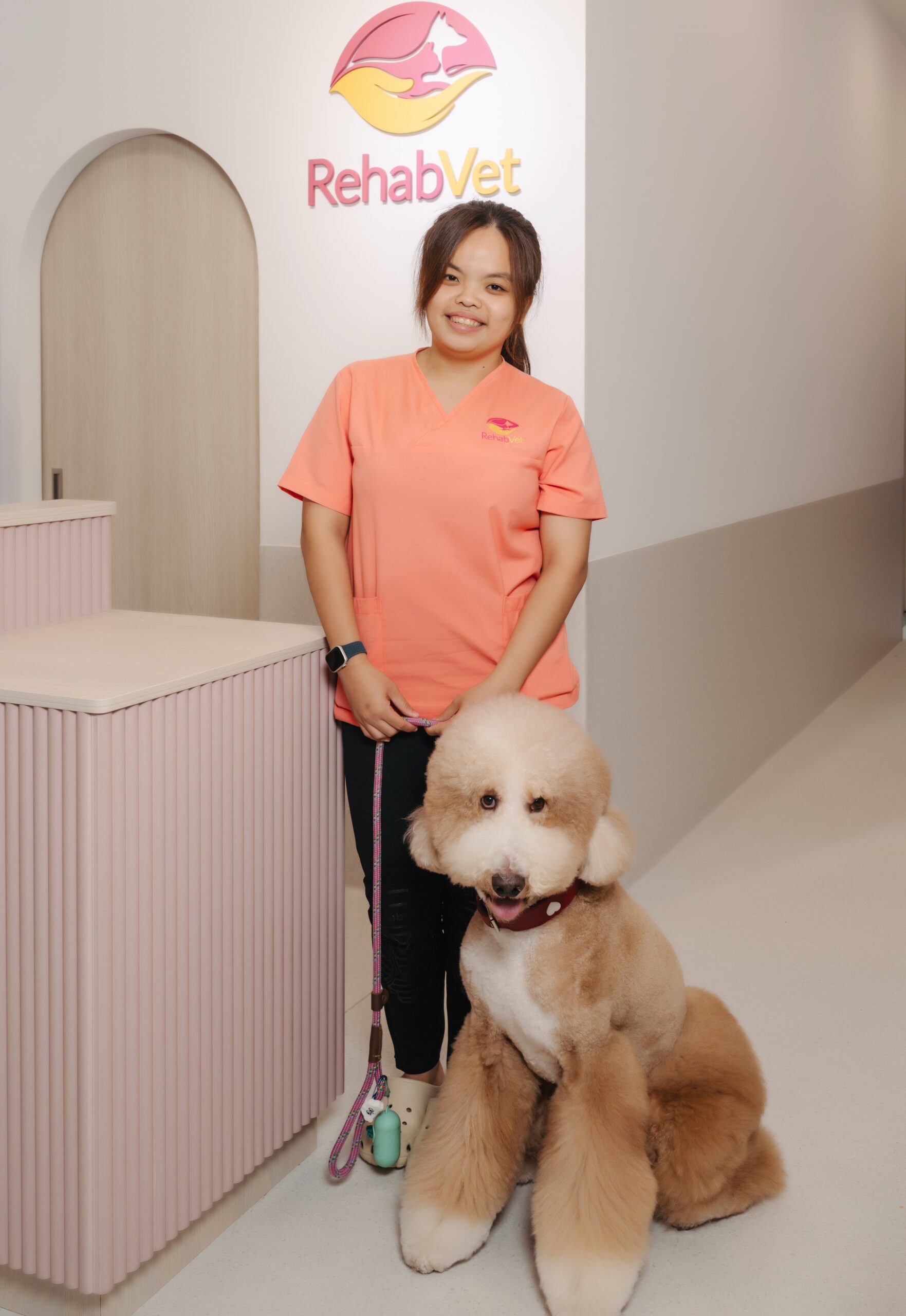
Qualified rehabilitation specialists dedicated to your pet's recovery. Led by Dr. Sara Lam BVSc.



195 verified Google reviews
What Pet Owners Say
“Haru has been going to RehabVet since Nov 2025. We witnessed huge improvements through ultrasound/laser therapy, land exercises and hydrotherapy. Exceptional care all round!”
“The team at RehabVet is incredibly professional and caring. My dog's recovery from knee surgery has been remarkable thanks to their comprehensive therapy approach.”
“Truly grateful to Dr. Sara, the entire team, and especially Xan. Milo was diagnosed with IVDD Grade 3. The whole team has shown such genuine care throughout his recovery journey.”
Frequently Asked Questions About Ultrasound Therapy for Pets
Everything pet owners ask about therapeutic ultrasound
Getting Started Is Simple
No referral needed. Book in 2 minutes.
Find Us
Ready to Help Your Pet Heal?
Therapeutic ultrasound can accelerate your pet's recovery, reduce pain, and restore mobility. Book a consultation — our veterinary team will assess your pet and recommend the right treatment programme.
No referral needed · Sessions from $100 · 195+ 5-star reviews · Dogs & cats welcome
+65 6291 6881 · hello@rehabvet.com